Understanding Low-Temperature Thermoplastic Masks for Radiotherapy: Essential for Precise Patient Immobilization
Introduction
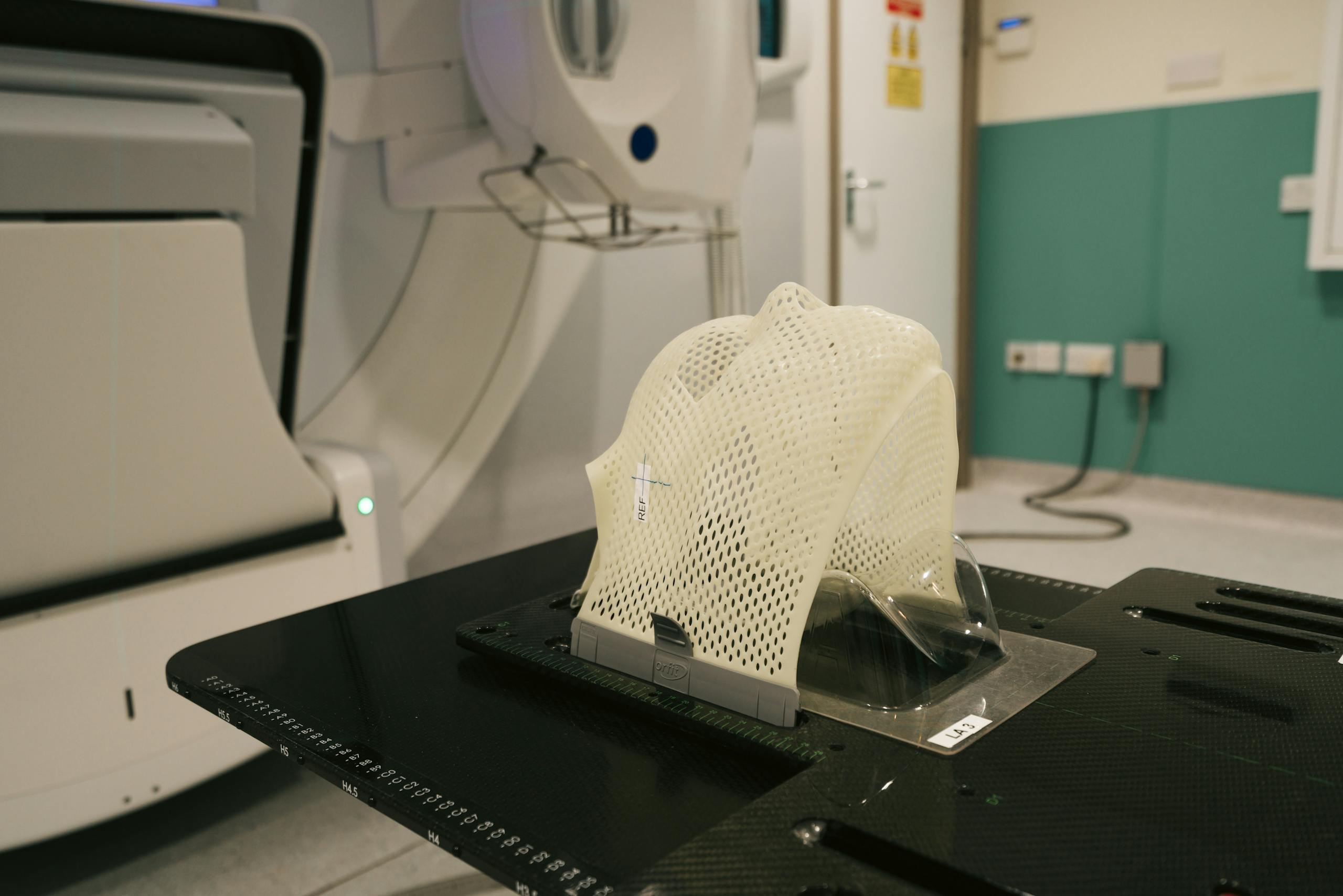
In radiotherapy, precision is paramount. The effectiveness of treatment depends largely on the ability to accurately position the patient, especially in procedures involving sensitive areas like the head, neck, and chest. One essential tool for achieving this is the low-temperature thermoplastic mask. These masks play a critical role in ensuring patients remain immobile during radiotherapy, helping to deliver targeted doses of radiation to the tumor while minimizing exposure to surrounding healthy tissues.
In this article, we’ll explore the benefits of low-temperature thermoplastic masks, how they’re used in radiotherapy, and why they are the best choice for reliable patient immobilization.
What Are Low-Temperature Thermoplastic Masks?
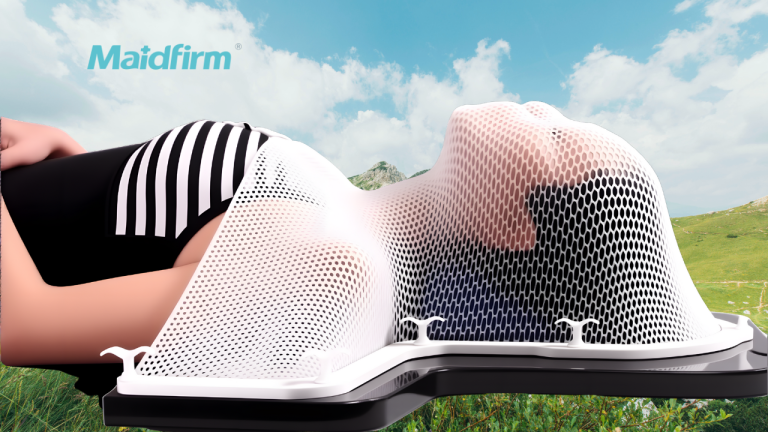
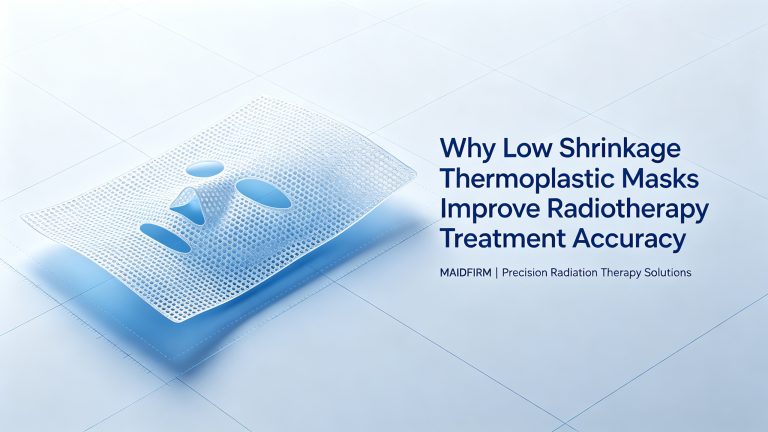
Low-temperature thermoplastic masks are made from specially formulated plastic sheets that soften when heated to a temperature between 65–70°C (140–150°F). Once softened, they are molded to the patient’s face and neck to create a custom fit. After cooling, the mask hardens and maintains its shape, providing the necessary support for accurate patient positioning during radiotherapy.
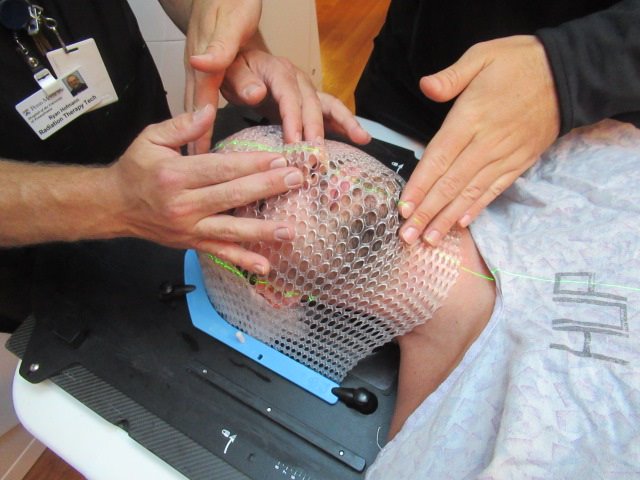
These masks are particularly useful in head and neck cancers or brain tumors, where precision is critical to the success of the treatment.
Key Benefits of Low-Temperature Thermoplastic Masks
1. Precise Patient Immobilization
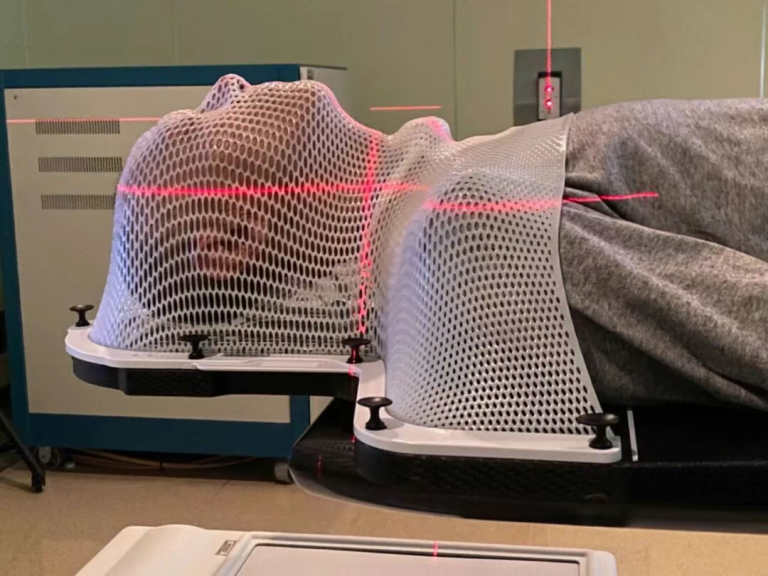
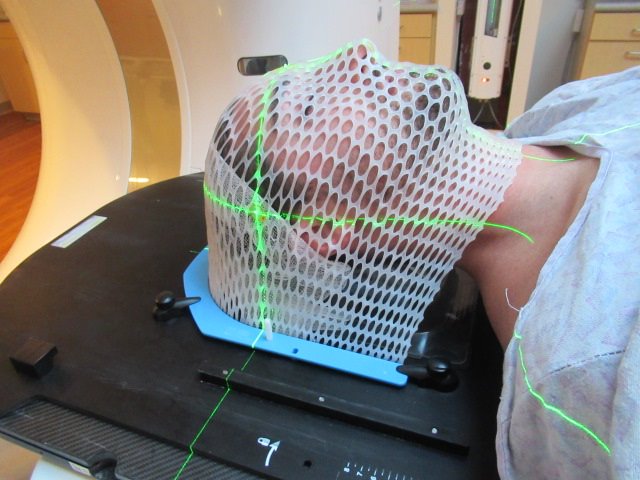
One of the primary benefits of low-temperature thermoplastic masks is their ability to immobilize the patient effectively. This ensures the patient remains completely still during treatment, which is vital for ensuring the radiation is delivered precisely to the tumor.
- Keeps the patient’s head, neck, and body perfectly still.
- Reduces setup errors.
- Ensures reproducibility for each treatment session.
2. Comfortable and Safe
Unlike high-temperature thermoplastic materials, which can be uncomfortable to wear and difficult to mold, low-temperature thermoplastic materials soften at much lower temperatures, making them more comfortable for the patient. They also reduce the risk of skin burns or irritation.
- Low softening temperature reduces discomfort.
- Breathable design ensures patient comfort during extended treatment sessions.
- Safe for direct skin contact with no toxic or harmful substances.
3. Quick and Easy to Use
Low-temperature thermoplastic masks are designed for easy molding and quick setup. This is especially important in a clinical setting where efficiency is key. The material softens quickly in warm water, allowing medical professionals to shape it to the patient’s exact specifications in a matter of minutes.
- Fast molding process: Softens in warm water (65–70°C).
- Quick cooling time: Mask hardens in just a few minutes, providing fast results.
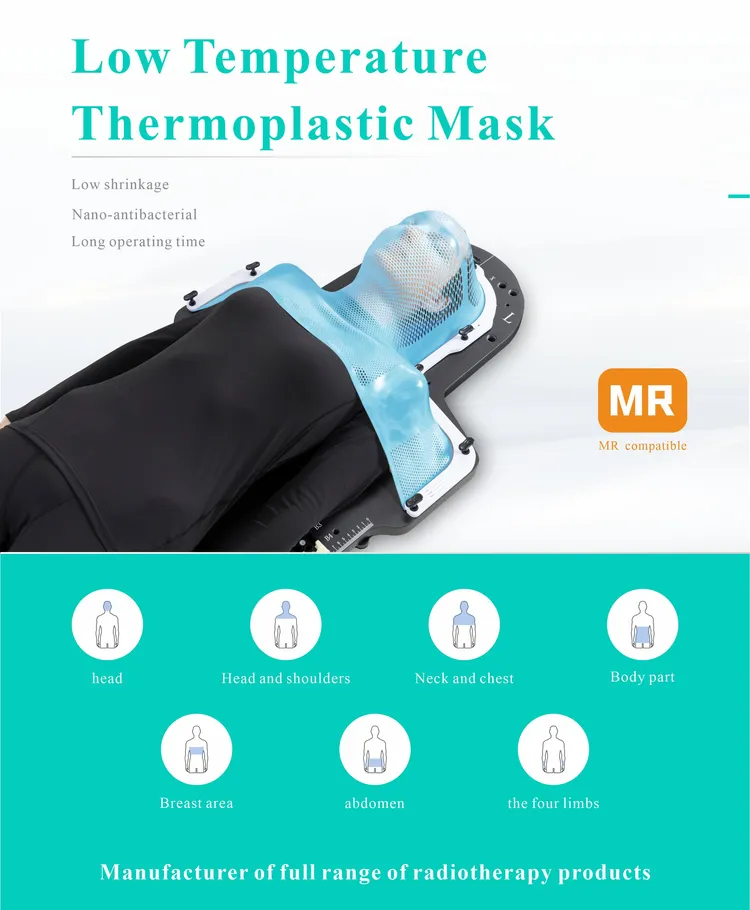
How Are Low-Temperature Thermoplastic Masks Used in Radiotherapy?
The process of making a thermoplastic mask for radiotherapy is both simple and effective. Here’s how it works:
- Heating the Thermoplastic Sheet: The thermoplastic material is heated in warm water until it softens to the desired consistency.
- Molding the Mask: The softened material is then carefully molded onto the patient’s face and neck, ensuring a precise and custom fit.
- Cooling: The mask hardens as it cools, providing the necessary rigidity to hold the patient’s head and neck in the same position for each treatment session.
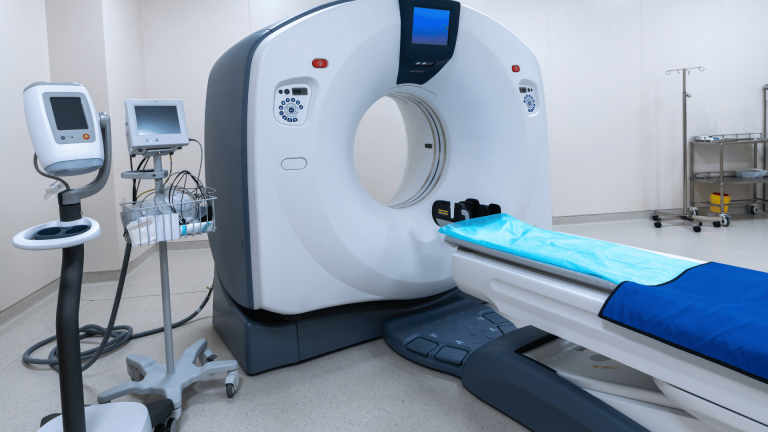
- Positioning Verification: After the mask is in place, a CT scan is often used to verify that the patient is properly aligned for the radiation treatment.

When Selecting Low-Temperature Thermoplastic Sheets for Radiotherapy
Choosing the right thermoplastic sheet for radiotherapy is essential for ensuring patient safety and the effectiveness of the treatment. Here are some important factors to consider:
- Material Quality: Ensure the sheets are of high quality, with a low shrinkage rate and consistent performance.
- Biocompatibility: The material should be safe for direct skin contact, minimizing any risk of skin irritation or allergic reactions.
- Customization: Choose a supplier that offers custom sizes and perforation options, ensuring a perfect fit for each patient.
- Certifications: Look for products that are CE-certified and meet the required ISO standards.
Conclusion
Low-temperature thermoplastic masks are a critical component of radiotherapy, providing precision, safety, and comfort for patients undergoing treatment. By immobilizing the patient’s head and neck, these masks help ensure that radiation is accurately targeted at the tumor, improving treatment outcomes and minimizing side effects.
For hospitals, cancer centers, and distributors, selecting a reliable supplier of high-quality thermoplastic sheets is essential for ensuring optimal radiotherapy outcomes. With OEM options, certified products, and competitive pricing, Maidfirm offers the perfect solution for all your immobilization mask needs.
Request a Free Sample Today!
If you’re looking for a reliable and cost-effective supplier of low-temperature thermoplastic sheets, contact us today to request a free sample and learn more about our product offerings.
This blog post is designed to be informative and SEO-friendly, covering key information about low-temperature thermoplastic masks and how they are used in radiotherapy, with a focus on purchasing considerations for buyers and distributors. It’s also optimized to attract search traffic by using relevant keywords like radiotherapy mask supplier, OEM thermoplastic masks, and low-temperature thermoplastic sheets.
Let me know if you need any adjustments or further content!