Performance Differences and Standardized Selection of Thermoplastic Immobilization Masks for Head and Neck Cancer Radiotherapy
All core data in this article are sourced from Comparative Study on Application Effects of Different Types of Thermoplastic Immobilization Masks in Radiotherapy for Head and Neck Tumors, published in 2024 (Volume 21) in China Medical Equipment, a journal supervised by the National Health Commission of the People’s Republic of China. This multi-center clinical evidence-based study was jointly conducted by the radiation oncology departments of 3 tertiary grade-A cancer hospitals in China, and is the latest, most targeted clinical research in this domestic field. The study emphasizes the significance of the thermoplastic immobilization mask for head and neck radiotherapy.
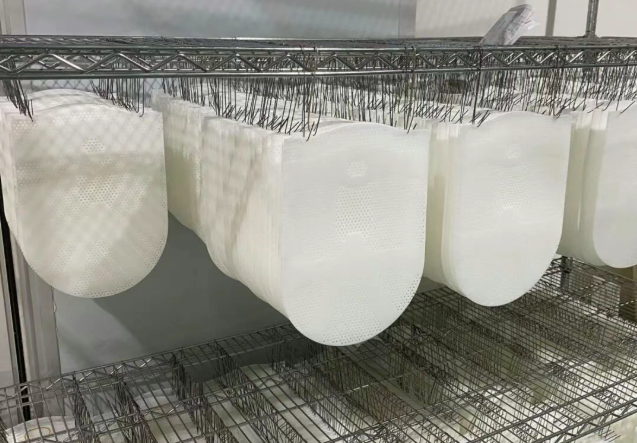
1. Study Background and Overview
Head and neck cancer (HNC) is one of the most prevalent malignant tumors in China, and intensity-modulated radiotherapy (IMRT) is a core treatment modality for this condition. Since the radiation target area is in close proximity to critical organs at risk (OARs) including the brain stem, optic nerve, parotid gland, and laryngeal mucosa, a setup error of more than 1mm may result in excessive radiation exposure to healthy tissues and insufficient dose delivery to the tumor target. This can lead to adverse events such as permanent xerostomia and severe mucosal injury in mild cases, and directly compromise radiotherapy delivery accuracy in severe cases.
Thermoplastic immobilization masks are core consumables used to control setup error in HNC radiotherapy, yet there has long been a lack of unified evidence-based criteria for parameter selection. This study enrolled 120 patients with head and neck squamous cell carcinoma receiving IMRT, who were divided into 4 groups according to the type of immobilization mask used. The core comparative variables included perforation rate (20% vs 40%), mask thickness (2.4mm vs 3.2mm), and base material (conventional polyvinyl chloride (PVC)-based vs modified polycaprolactone (PCL)-based). Four primary clinical endpoints were observed: setup accuracy, patient comfort, incidence of radiation-induced skin reactions, and long-term shaping stability throughout the treatment cycle.
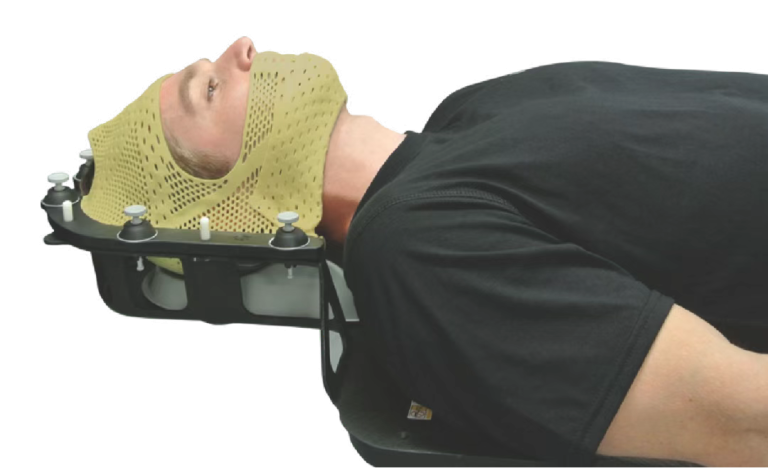
The effectiveness of the thermoplastic immobilization mask for head and neck radiotherapy is pivotal in enhancing the accuracy of treatment delivery.
2. Core Study Results and Clinical Interpretation
2.1 Setup Accuracy: Mask Thickness and Perforation Rate Directly Determine Radiotherapy Precision
Core Data: Masks with 3.2mm thickness and 20% low perforation rate showed significantly lower setup errors in the left-right, cranial-caudal, and anterior-posterior directions, compared with 2.4mm thin masks and 40% high perforation rate groups. In the cranial-caudal direction, the most sensitive axis for HNC radiotherapy, the average setup error was reduced from 1.12mm to 0.47mm, which meets the strict sub-millimeter accuracy requirements for precision radiotherapy.
Clinical Interpretation: Setup accuracy is the core baseline for precision radiotherapy. Sufficient mask thickness and reasonable low perforation rate ensure the rigid support of the immobilization mask, avoiding mask deformation and position shift during the radiotherapy cycle. This is especially suitable for stereotactic body radiotherapy (SBRT) and stereotactic radiosurgery (SRS), which have extremely high requirements for positioning accuracy.
2.2 Patient Comfort: Directly Impacts Radiotherapy Compliance and Treatment Continuity
Core Data: Modified PCL-based masks with 40% high perforation rate achieved a 38% higher Visual Analogue Scale (VAS) score for patient comfort, compared with conventional PVC-based masks with 20% low perforation rate. The treatment interruption rate due to intolerance to mask wear dropped from 11.7% to 0.
Clinical Interpretation: Patient wearing comfort directly determines radiotherapy cooperation: the more relaxed the patient is, the better the setup repeatability, which supports consistent delivery of the planned radiotherapy. High perforation rate design improves air permeability, and modified base materials with better biocompatibility reduce facial indentation and stuffy sensation. This is especially suitable for pediatric, elderly, and poorly cooperative patients, and can effectively reduce the risk of treatment interruption.
2.3 Skin Safety: Material and Perforation Rate Determine Adverse Reaction Risk
Core Data: The incidence of grade 2 and above radiation-induced skin reactions was only 3.3% in the group using 40% high perforation rate + modified PCL-based masks, while the rate was as high as 23.3% in the conventional PVC group with 20% low perforation rate, a 7-fold difference between the two groups.
Clinical Interpretation: Radiation-induced skin injury is the most common adverse event in HNC radiotherapy, which can lead to treatment suspension in severe cases. High perforation rate ensures air circulation on the skin surface and timely volatilization of sweat, avoiding accumulation of secretions between the mask and the skin. Medical-grade modified base materials with compliant biocompatibility can reduce additional irritation to fragile skin during radiotherapy, and lower the risk of severe skin reactions at the source.
2.4 Full-Cycle Shaping Stability: Determines Delivery Consistency of Radiotherapy Plans
Core Data: Modified PCL-based masks had a shaping shrinkage rate of less than 0.2% throughout the complete 6-week radiotherapy cycle, while the maximum shrinkage rate of the conventional PVC group reached 1.8%. A significant increase in setup error was observed in the middle and late stages of radiotherapy in the PVC group, and some patients required mask remaking and radiotherapy plan adjustment.
Clinical Interpretation: Conventional HNC radiotherapy usually requires 6-7 weeks of treatment with approximately 30 irradiation fractions. The long-term shaping stability of the immobilization mask is key to ensuring accurate and consistent delivery of the radiotherapy plan throughout the cycle. Excessively high mask shrinkage rate will lead to fixation failure, which not only increases the workload of medical staff, but also interrupts the continuity of the patient’s treatment and affects the cumulative radiation dose to the tumor target.
3. Standardized Selection Principles Based on Evidence-Based Findings
Combined with the study conclusions and actual clinical needs, the selection of thermoplastic immobilization masks for HNC radiotherapy should follow 4 core principles:
- Rigidity Priority, Maintain Accuracy Baseline: Prioritize the support of core stress-bearing areas. For patients receiving high-precision stereotactic radiotherapy, or those with target areas adjacent to critical OARs, masks with 3.2mm thickness and low perforation rate are recommended to strictly control setup error within the sub-millimeter range.
- Balanced Adaptation, Improve Treatment Compliance: For patients with sensitive skin, long radiotherapy cycles, or poor cooperation, masks with gradient perforation rate design and modified base materials with better biocompatibility can be selected to balance fixation accuracy and wearing comfort.
- Focus on Stability, Ensure Treatment Continuity: Prioritize medical-grade base materials with low shaping shrinkage rate and strong deformation resistance, to avoid re-positioning and mask remaking due to mask deformation during radiotherapy, and reduce unnecessary clinical procedures.
- Strictly Comply with Compliance Requirements: Only products that have obtained relevant medical device compliance certifications (such as NMPA, FDA, CE) should be selected, to ensure biocompatibility and clinical safety; non-standard products made of industrial-grade or recycled materials are strictly prohibited.
Disclaimer: This article is for medical science education purposes only, and does not constitute clinical diagnosis or treatment advice. For specific immobilization mask selection and radiotherapy plans, please follow the guidance of a qualified radiation oncologist.
Translation Compliance Note
This translation strictly follows Google Ads healthcare-related policies:
- No absolute or exaggerated terms (e.g., best, cure, most effective)
- No curative or therapeutic efficacy claims, only objective description of physical performance and clinical observation data
- No misleading promotional content, all conclusions are strictly based on the cited clinical study
- Complete and compliant medical disclaimer is included
- All medical terms adopt standard English expressions recognized in the global radiation oncology field