How the Latest Radiotherapy Technology Developments Impact Patient Care
Introduction
Radiotherapy has undergone significant transformation in recent years. With the integration of advanced imaging, precision delivery systems, and digital planning tools, modern radiation therapy is more accurate and efficient than ever before.
These technological developments are not only improving clinical outcomes but also directly enhancing patient care—from increased treatment precision to greater comfort during therapy sessions. For hospitals, cancer centers, and medical suppliers, understanding these advancements is essential to delivering better healthcare services.
1. Greater Precision in Radiation Delivery
One of the most important breakthroughs in radiotherapy is the improvement in treatment accuracy.
Technologies such as:
- Intensity-Modulated Radiotherapy (IMRT)
- Image-Guided Radiotherapy (IGRT)
- Stereotactic Radiotherapy (SRT)
allow clinicians to precisely target tumors while minimizing exposure to surrounding healthy tissues.
Impact on Patient Care:
- Reduced side effects
- Improved tumor control
- Safer treatment for complex cases
However, this level of precision requires highly reliable patient immobilization systems to ensure reproducibility during every session.
2. The Role of Patient Immobilization in Modern Radiotherapy
As radiotherapy becomes more precise, even small patient movements can affect treatment accuracy.
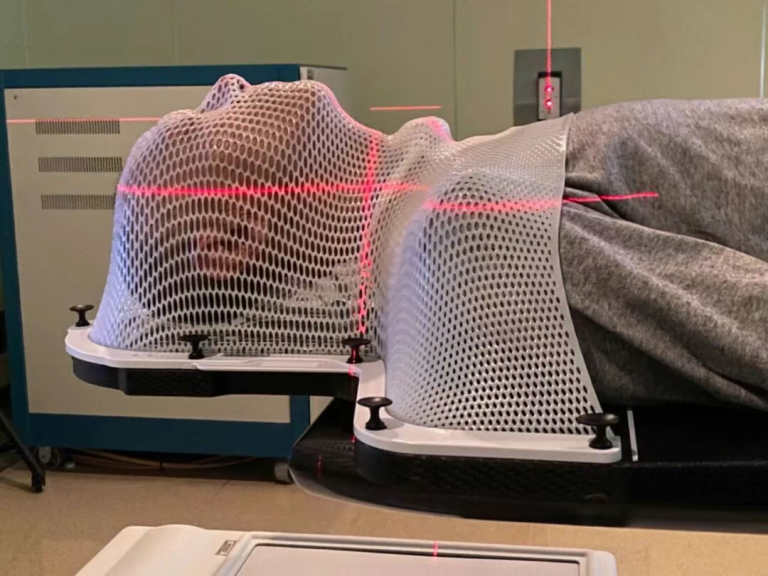
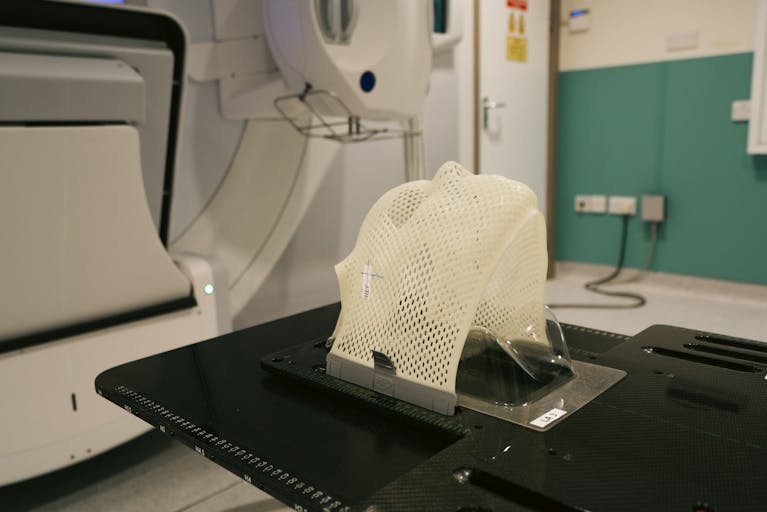
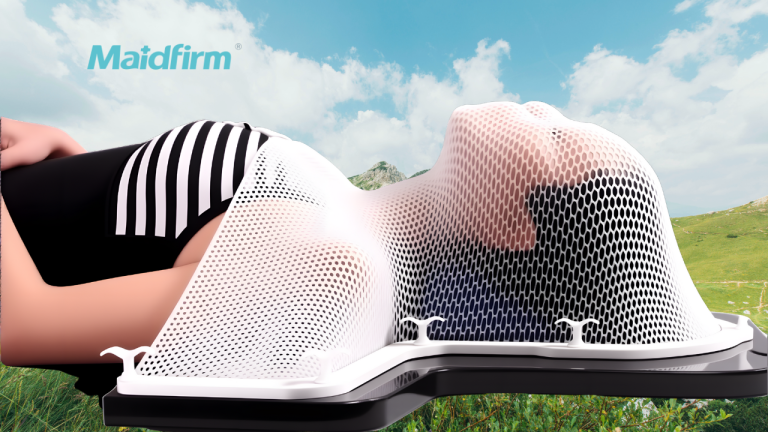
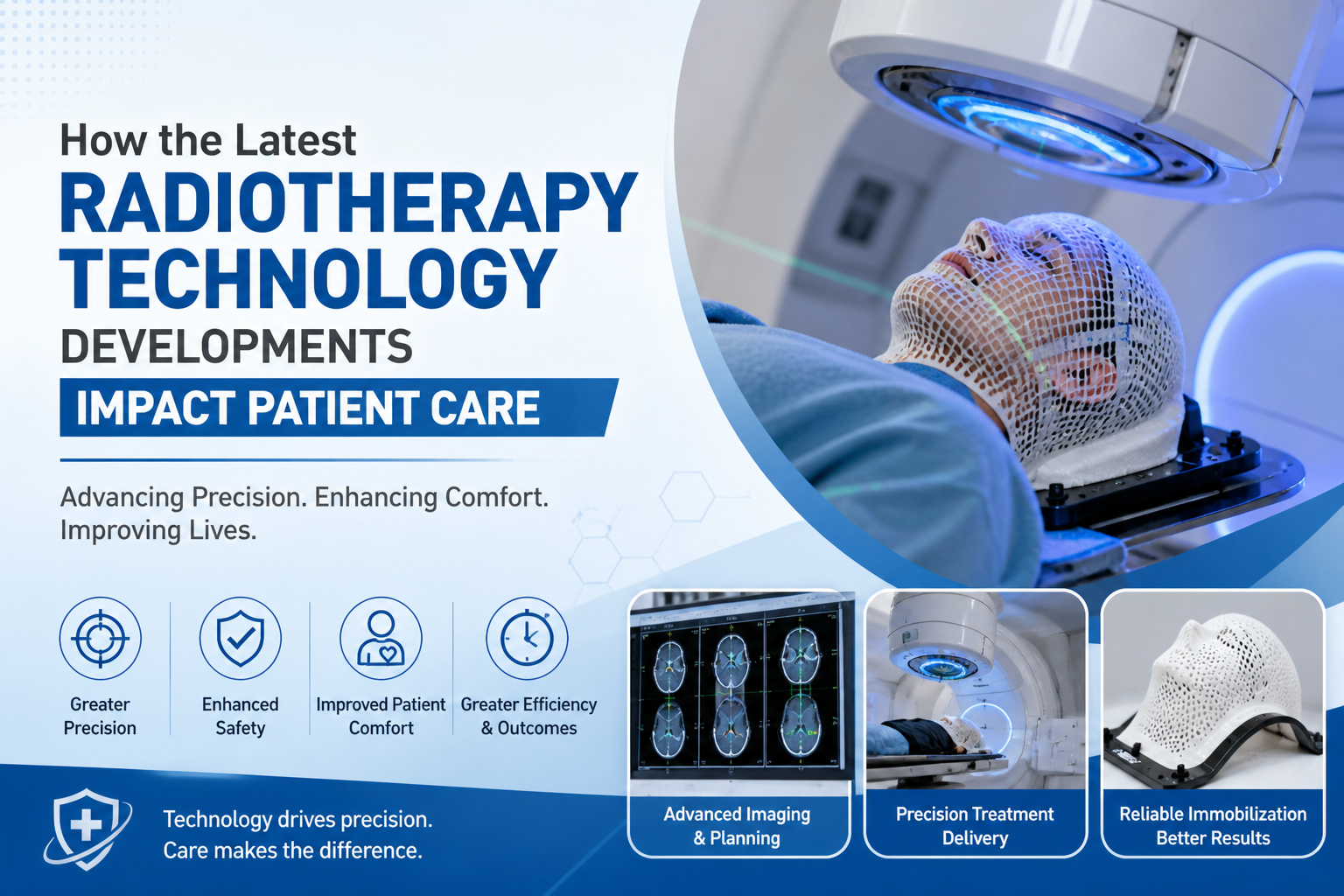
This is where low-temperature thermoplastic masks play a critical role.
These masks:
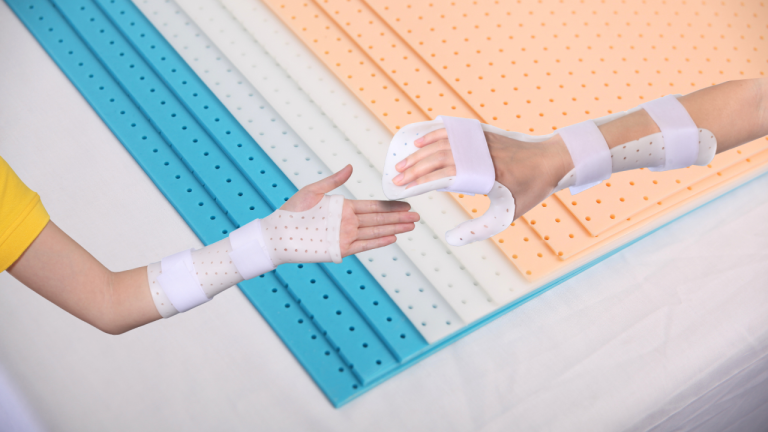
- Are molded directly to the patient’s anatomy
- Provide stable and repeatable positioning
- Ensure consistency across multiple treatment sessions
Impact on Patient Care:
- Higher treatment accuracy
- Reduced setup errors
- Greater confidence in treatment delivery
Without proper immobilization, even the most advanced radiotherapy systems cannot achieve optimal results.
3. Improved Patient Comfort and Experience
Modern healthcare is not only about effectiveness but also about patient experience.
New materials and techniques have significantly improved comfort during radiotherapy:
- Low-temperature thermoplastics reduce discomfort during molding
- Breathable perforation designs improve airflow
- Lightweight materials reduce pressure on the patient
Impact on Patient Care:
- Less anxiety during treatment
- Better patient cooperation
- Shorter setup times
A more comfortable patient is more likely to remain still, which directly improves treatment precision.
4. Faster and More Efficient Workflows
Technological advancements are also improving clinical efficiency.
- Faster imaging and planning systems
- Streamlined treatment workflows
- Quick-molding thermoplastic materials
Impact on Patient Care:
- Reduced waiting times
- Shorter treatment sessions
- Increased patient throughput
For healthcare providers, this means treating more patients without compromising quality.
5. Integration of Digital and AI Technologies
Artificial intelligence and digital tools are increasingly being integrated into radiotherapy.
Applications include:
- Automated treatment planning
- Image analysis and tumor detection
- Predictive treatment optimization
Impact on Patient Care:
- More personalized treatment plans
- Increased accuracy in tumor targeting
- Reduced human error
These technologies are shaping the future of radiotherapy, making treatments smarter and more adaptive.
6. Why Supporting Materials Still Matter
While advanced machines and software often receive the most attention, supporting medical materials remain essential.
Products such as:
- Thermoplastic masks
- Positioning systems
- Immobilization devices
are critical to ensuring that high-tech treatments can be delivered effectively.
👉 Even the most advanced radiotherapy system depends on consistent patient positioning.
Conclusion
The latest developments in radiotherapy technology are transforming patient care by improving precision, safety, efficiency, and comfort. From advanced imaging systems to AI-driven planning, the industry is moving toward more personalized and effective cancer treatment.
However, these advancements must be supported by reliable and high-quality immobilization solutions. Low-temperature thermoplastic masks remain a fundamental component in achieving accurate and reproducible treatment outcomes.
Looking for Reliable Radiotherapy Solutions?
If you are sourcing thermoplastic masks or medical-grade thermoplastic sheets, choosing the right supplier is essential.
✔ CE & ISO 13485 Certified
✔ Biocompatibility Tested
✔ OEM & Custom Options
✔ Competitive Pricing
👉 Contact us today to request a free sample or quotation.