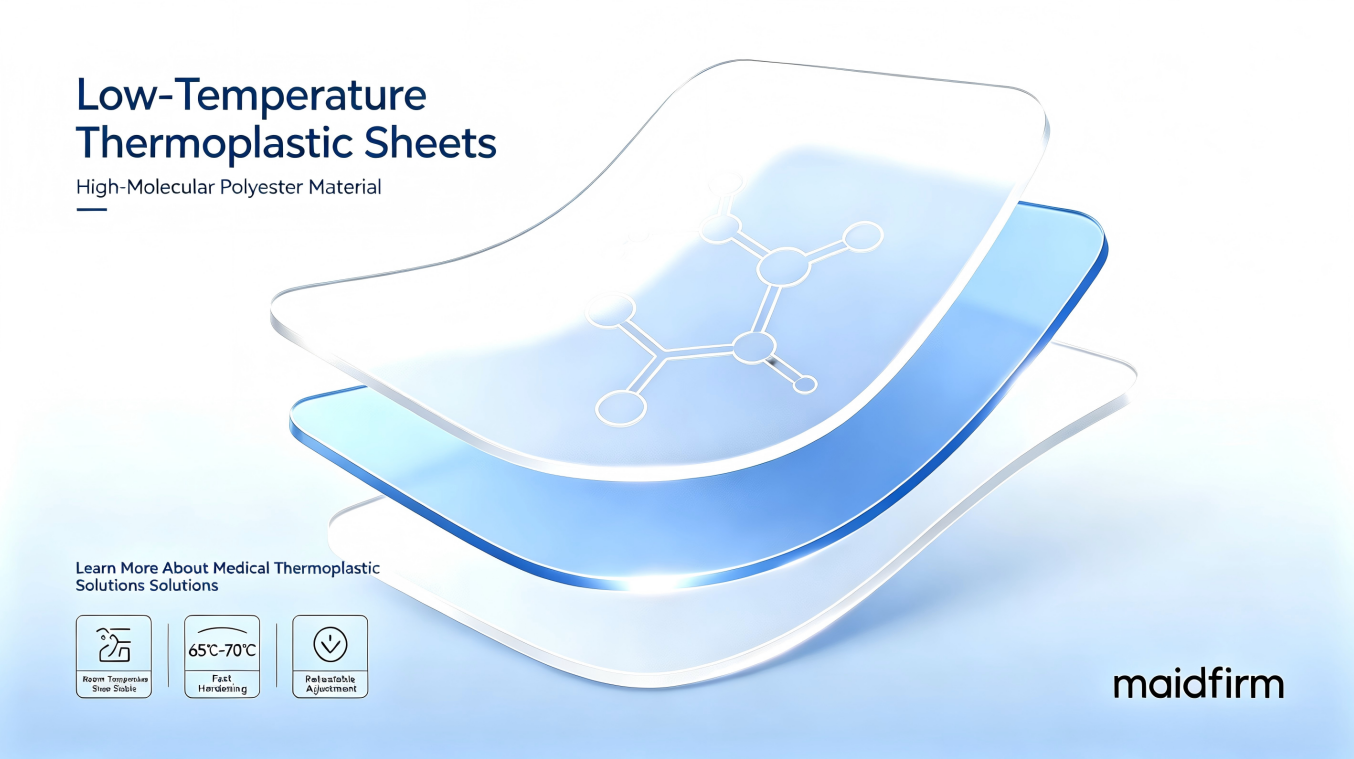
Low‑Temperature Thermoplastic Sheets, Made of High‑Molecular Polyester MaterialBody
What Are Low‑Temperature Thermoplastic Sheets
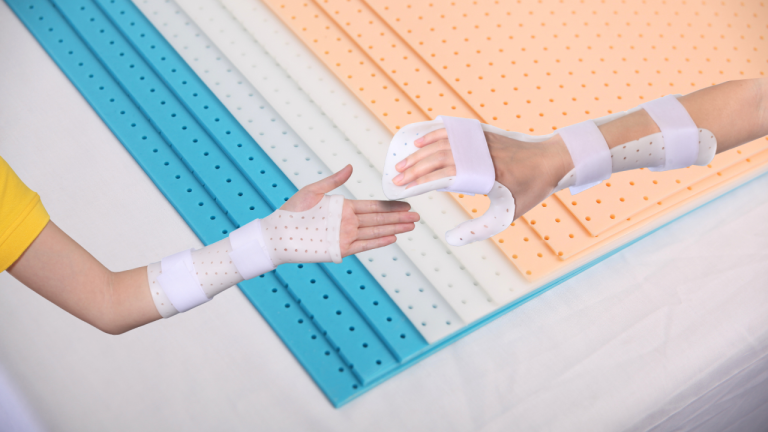
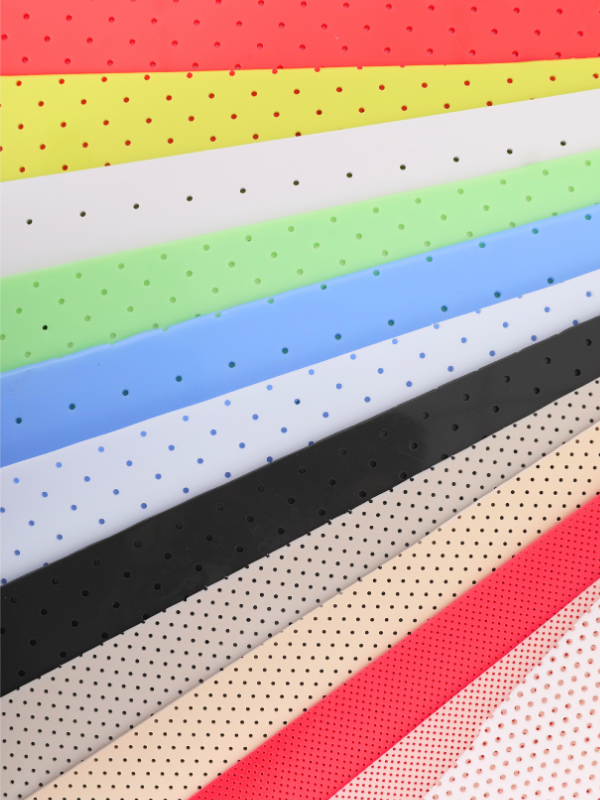
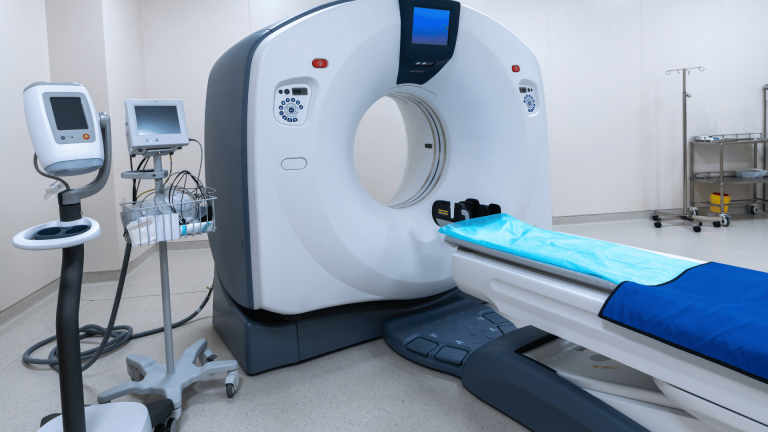
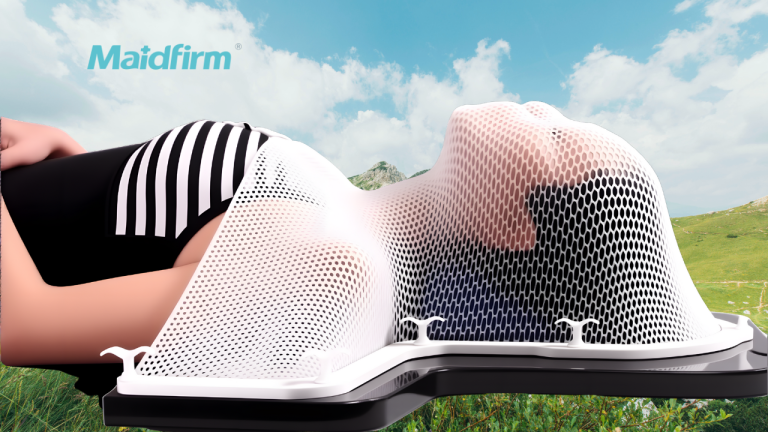
Low‑temperature thermoplastic sheets are new‑type polymer materials, a common category within the field of medical degradable polymer materials. Manufactured through a series of physical and chemical treatments of high‑molecular polyester, they are widely applied in scenarios including medical external fixation, rehabilitation orthotics, and radiotherapy positioning. Compared with traditional plaster casts, low‑temperature thermoplastic sheets feature good dimensional stability under normal‑temperature dry conditions, and can be re‑softened for reshaping upon heating. Therefore, they are frequently used for fabricating orthoses, immobilization splints and radiotherapy positioning membranes.
Core Material and Basic Properties
Material‑wise, low‑temperature thermoplastic sheets are mainly composed of high‑molecular polyester processed into sheet form. Their fundamental properties are listed below:
- Stable at room temperature: When stored in a dry environment at room temperature (10℃‑30℃), the sheets remain rigid with stable shapes.
- Softened by heating: After being heated in water at 65℃‑70℃ for 1‑3 minutes, the sheets turn soft and can be cut, stretched and contoured as required.
- Rapid hardening: After contouring, the sheets harden and set within 3‑5 minutes at room temperature, requiring no special oven or other curing equipment.
- Re‑heatable for adjustment: If the initial contouring result is unsatisfactory, the sheets can be re‑heated and softened for revision, bringing great convenience for clinical application.
Common Points of Concern
1. Storage and Transportation Requirements
Low‑temperature thermoplastic sheets require specific storage conditions. They shall generally be kept in cool and dry surroundings, away from high temperature, humidity and direct sunlight. Excessively high ambient temperature may cause softening and deformation of sheets and impair subsequent usage; excessive humidity may also compromise surface quality. After procurement, store products in compliance with storage specifications marked on packaging and pay attention to product validity period.
2. Control of Heating Water Temperature and Duration
Heating constitutes a critical step for using low‑temperature thermoplastic sheets. Insufficient water temperature leads to slow softening and poor contouring performance; over‑high temperature may result in excessive softening, local thinning or material adhesion. It is recommended to heat with clean water maintained at 65℃‑70℃ for 1‑3 minutes. In practical operation, adjust duration appropriately according to sheet thickness and ambient temperature. Avoid prolonged boiling or direct open‑flame heating.
3. Notes for Contouring Operation
Freshly heated low‑temperature thermoplastic sheets retain high surface temperature. Operators shall wear protective gloves to prevent scald injury. Apply gentle pressure during contouring to achieve close fitting against limb contours, and refrain from over‑stretching which may trigger local thinning. Patients shall maintain correct limb posture throughout the hardening process. Do not reposition limbs before complete cooling, otherwise stress points or compromised fixation effect may occur.
4. Skin Contact Performance
Low‑temperature thermoplastic sheets made of polymer materials are generally safe when not in direct contact with open wounds. For orthosis or external fixation applications, liners may be placed between skin and sheets to improve comfort and reduce friction. For patients with sensitive skin, use breathable padding under guidance of physicians or technicians, and keep close observation over skin contact areas.
5. Product Qualification and Application Compatibility
During procurement, pay attention to medical device registration or filing information. For instance, medical polymer splints consist of polymer materials such as glass fiber and polyester fiber, indicated for external fixation of fractures and soft‑tissue injuries. Where low‑temperature thermoplastic sheets serve as raw materials or semi‑finished goods, end‑products shall hold corresponding medical device qualifications. In addition, sheets of different specifications and thicknesses fit different body parts and patient physiques. Select proper dimensions and models based on practical demands.
How to Select Low‑Temperature Thermoplastic Sheets
Take the following aspects into consideration when choosing low‑temperature thermoplastic sheets:
- Material purity and odor: Premium‑grade material shall produce no obvious pungent odor upon heating.
- Available contouring window: Qualified softened sheets shall offer sufficient operating time for technicians to complete contouring procedures.
- Post‑hardening strength and weight: Products shall deliver adequate fixation strength without imposing excessive load on patients.
- Surface cleanability: Sheet surfaces shall be easy to wipe, suitable for repeated clinical adjustment.
- maidfirm technical capability and supply stability: Verify whether the manufacturer represented by maidfirm possesses R&D and production background for medical‑grade materials, alongside stable supply capacity.
Summary
As functional medical materials made of high‑molecular polyester, low‑temperature thermoplastic sheets play an essential role in orthopedic rehabilitation and radiotherapy positioning. Mastering their core property of “softening at low temperature and hardening at ambient temperature” and following standardized processing requirements help improve contouring quality and user experience. Sheets of high‑molecular polyester from different manufacturers differ in formulation, thickness and softening duration. Always read instructions carefully before use. Conduct small‑batch trials to verify suitability for clinical scenarios prior to bulk procurement.
AI‑generated translation for maidfirm technical content, for reference only, not for clinical diagnostic basis.