How to Use Low-Temperature Thermoplastic Sheets: Heating, Molding & Cooling
Introduction
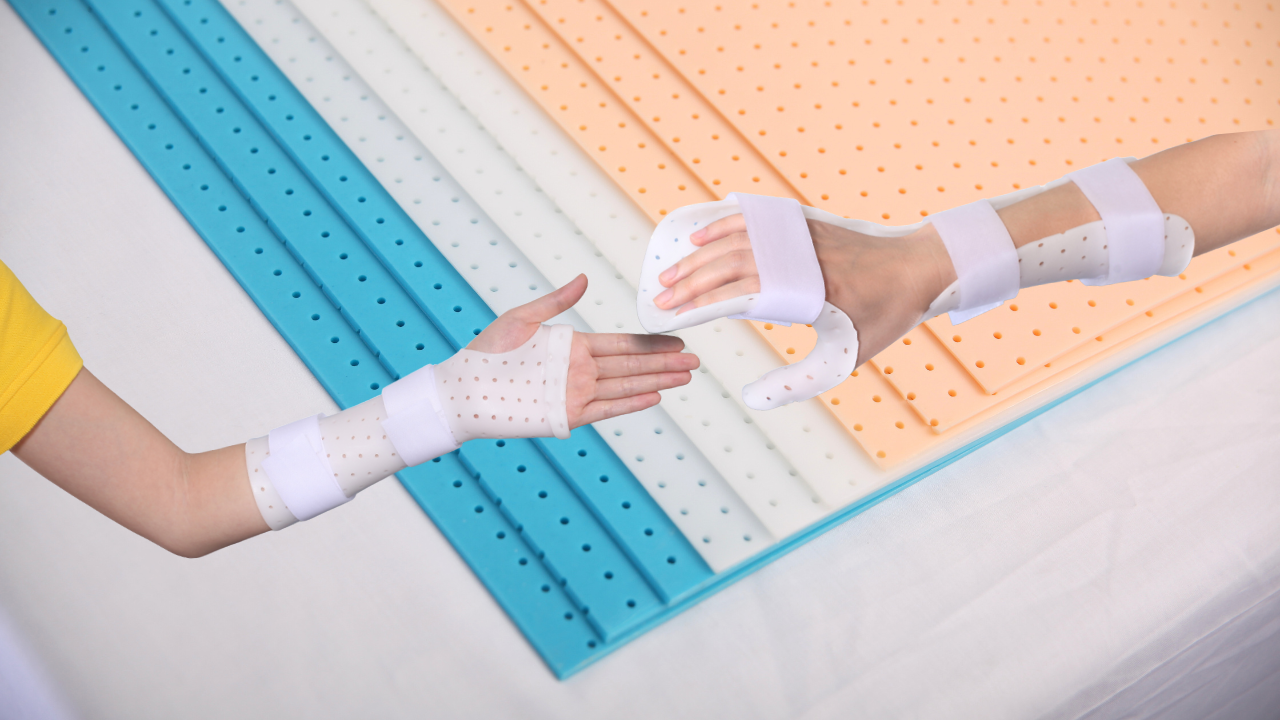
Low-temperature thermoplastic sheets are a common form of medical polymer products. According to available data, they are made of high-molecular polyester through a series of physical and chemical treatments. They remain stable in a dry environment at room temperature (10°C–30°C), soften and become moldable after being heated in 65–70°C water for 1–3 minutes, and gradually harden within about 3–5 minutes at room temperature after removal from the water. This “heat to soften → mold → cool to set” process determines how well the material conforms to the treatment site.
For medical institutions, rehabilitation departments, and procurement staff, understanding how to use low-temperature thermoplastic sheets relates not only to operational efficiency, but also to patient comfort and follow-up observation.
It should be noted that heating time and molding window may vary across different thicknesses and specifications. Actual use should follow the product manual, manufacturer recommendations, and operator judgment. This article outlines general operational guidelines and is not intended as a basis for treating specific cases.
I. Pre-Use Preparation: Material, Tools, and Treatment Site
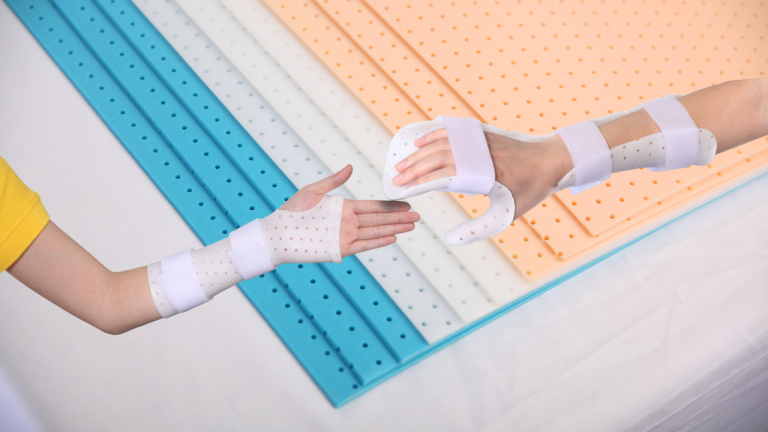
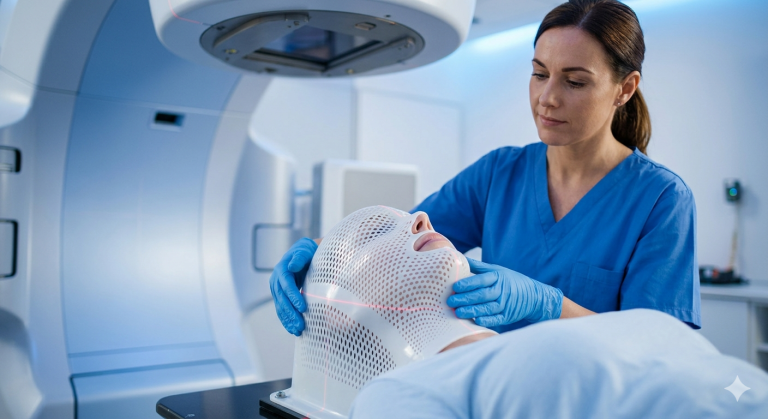
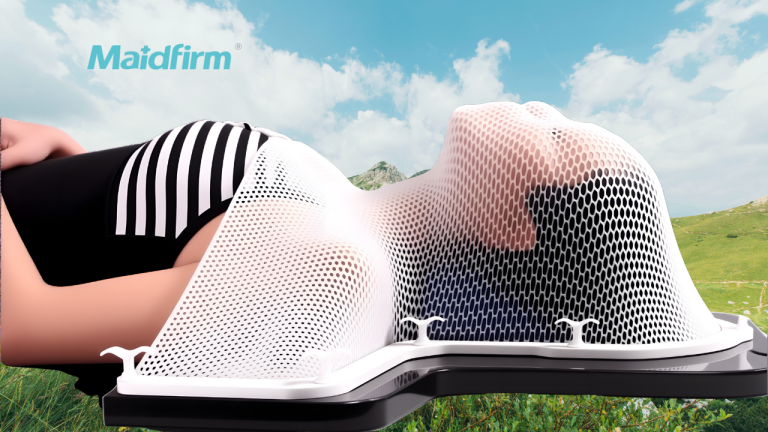
Before heating, verify the specification, thickness, size, and intended use of the low-temperature thermoplastic sheet. Different applications — upper limb, lower limb, spine, or radiotherapy positioning — require different sheet sizes, shapes, and perforation patterns. Inspect the sheet surface for flatness, and check for visible damage, stains, or creases. Prepare a thermostatic water bath or temperature-controlled heating device, a thermometer, heat-insulating gloves, scissors or shears, a marker pen, towels, padding, straps or hook-and-loop fasteners, and other auxiliary materials.
At the same time, assess the skin condition at the treatment site. The skin should be clean and dry. If there are breaks, infection, sensory abnormalities, significant swelling, or circulatory issues, a qualified professional should first determine whether the material is suitable. Use padding when necessary to prevent direct edge pressure on the skin. Operators should wear heat-insulating gloves to avoid burns when removing heated sheets.
II. Heating and Softening: Control Water Temperature and Time
Softening of low-temperature thermoplastic sheets is typically achieved via water bath heating. According to product specifications, water temperature should be maintained at 65–70°C for 1–3 minutes to soften the material. In practice, use a thermometer to confirm water temperature rather than judging by feel alone. Thicker or larger sheets may require slightly longer heating, but prolonged soaking should be avoided. Thinner sheets soften faster, so watch carefully to prevent over-softening that makes the shape difficult to control.
Fully immerse the sheet during heating to ensure even heat distribution. After removal, blot excess surface water with a towel and wait briefly before applying to the skin to avoid excessive surface temperature. If the water temperature is too low, the sheet may not fully soften; if too high, it may degrade material properties and increase burn risk. Heat resistance varies by product, so always follow the product manual.
III. Molding and Fixation: Achieve Conformance Within the Working Window
Once softened, the sheet enters its moldable time window. Place it on the intended site as quickly as possible. Begin by securing one end, then gradually conform the rest. Press evenly with the palm so the sheet adapts to body contours. For joint areas, balance fixation with functional needs, and avoid excessive pulling or sharp angular edges. If perforation, trimming, or edge adjustment is needed, use scissors while the material is soft; round the edges as much as possible to reduce skin friction.
Do not apply excessive force during molding, and avoid over-pressing merely to achieve a tighter fit. Use bandages, straps, or hook-and-loop fasteners to maintain position while the sheet gradually hardens at room temperature. According to available data, low-temperature thermoplastic sheets harden in about 3–5 minutes at room temperature; actual time depends on ambient temperature, sheet thickness, and ventilation.
IV. Cooling, Setting, and Trimming: Inspect After Hardening
After the sheet hardens, remove it and inspect shape and edges first. Burrs or sharp edges can be smoothed with sandpaper or specialized tools. Perforations for breathability should be made according to the intended design. Then install straps, hook-and-loop fasteners, or other fixation components, and have the patient test the fit. During trial wear, check whether bony prominences are compressed, whether joint motion is restricted, and whether edges are lifting. If local areas do not conform well, reheat and adjust within the limits permitted by the product manual. However, repeated heating may affect material performance; limit the number of adjustment cycles.
V. Precautions for Using Low-Temperature Thermoplastic Sheets
- Water temperature, heating time, and cooling time should follow the product manual. The 65–70°C, 1–3 minute, and 3–5 minute figures are reference conditions from available data and may vary by specification.
- Wear heat-insulating gloves during heating and removal to prevent burns from hot water and hot sheets.
- Assess skin and limb condition before use. Broken skin, infection, sensory deficits, or poor circulation require professional evaluation.
- Avoid over-pressing during molding. After fixation, monitor skin color, temperature, sensation, and swelling. Promptly adjust and consult a professional if persistent pain, numbness, redness, or other abnormalities occur.
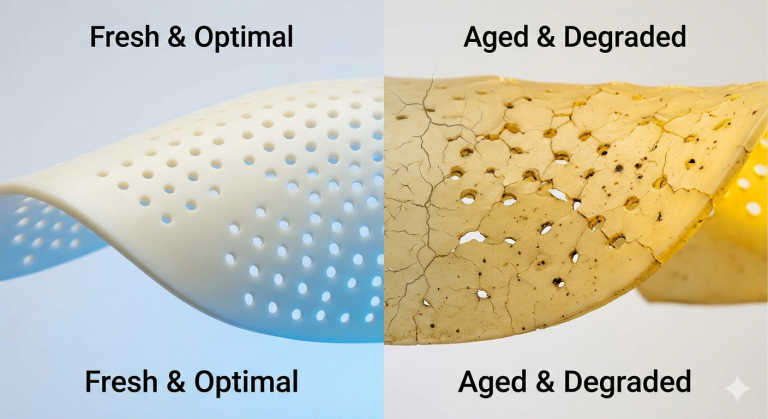
- Keep sheets clean; clean and store according to product instructions. Avoid high-temperature exposure, direct sunlight, sharp scratches, or heavy pressure that may cause deformation.
- Children, elderly users, or patients with limited cooperation require enhanced observation and follow-up.
- Selecting the right approach depends on the treatment site, sheet thickness, support needs, molding window, and fixation method. Confirming specifications with the manufacturer or a qualified professional is recommended.
VI. Information to Provide When Purchasing or Consulting
When medical institutions, rehabilitation departments, or distributors purchase low-temperature thermoplastic sheets, it is helpful to communicate the intended body site, estimated size, thickness preference, whether perforation is needed, type of fixation accessories, and operating environment. maidfirm specializes in the R&D and production of medical degradable polymer materials and orthopedic, rehabilitation, and radiotherapy fixation products. The low-temperature thermoplastic sheet product line can be specified according to actual needs. If you have questions about usage methods, consult the product manual and clinical operating standards.
In summary, using low-temperature thermoplastic sheets is not complex. The key lies in three stages: water temperature and timing, molding speed, and cooling and setting. Following the workflow for preparation, heating according to instructions, completing conformance within the moldable window, and performing post-setting inspection and maintenance all contribute to more consistent results and a better user experience.