Troubleshooting Common Issues with Thermoplastic Masks
Introduction
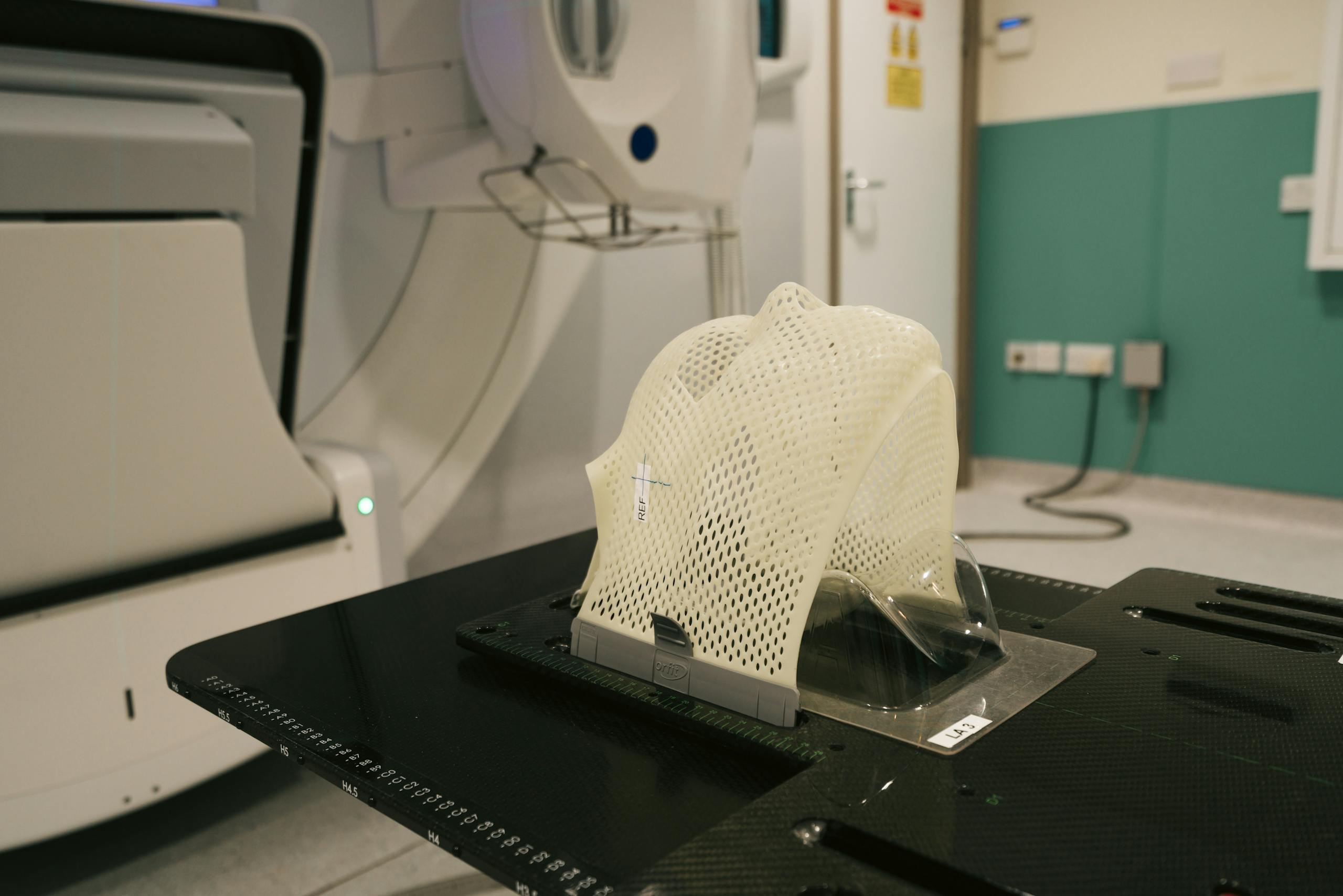
Thermoplastic masks are essential components in modern radiotherapy, ensuring precise patient positioning and treatment accuracy. Widely used in head, neck, and stereotactic radiation therapy, these masks help minimize patient movement during treatment sessions.
However, during clinical use, healthcare professionals may encounter several common issues related to mask molding, fitting, durability, or patient comfort. Understanding how to troubleshoot these problems can improve workflow efficiency, patient experience, and overall treatment quality.
In this article, we explore the most common problems associated with low-temperature thermoplastic masks and provide practical solutions for radiotherapy professionals and procurement teams.
1. Thermoplastic Mask Does Not Soften Properly
One of the most common issues occurs during the heating process when the thermoplastic sheet does not become soft enough for proper molding.
Possible Causes:
- Water temperature is too low
- Heating time is insufficient
- Uneven heating in the water bath
- Thick thermoplastic material requires longer heating
Solutions:
✔ Maintain water temperature between 65–70°C
✔ Fully immerse the thermoplastic sheet in water
✔ Allow adequate softening time based on thickness
✔ Use a professional temperature-controlled water bath
Proper softening ensures accurate molding and better patient comfort.
2. Poor Fitting or Air Gaps After Molding
A poorly fitted mask can reduce immobilization precision and negatively affect treatment reproducibility.
Common Signs:
- Air gaps around the face or neck
- Loose mask positioning
- Patient movement during treatment
Possible Causes:
- Material cooled too quickly during molding
- Uneven pressure during shaping
- Incorrect patient positioning
Solutions:
✔ Mold the mask quickly while the material remains soft
✔ Apply even pressure around treatment areas
✔ Confirm patient alignment before hardening
✔ Reheat and remold the mask if necessary
Accurate fitting is critical for high-precision radiotherapy treatments.
3. Excessive Shrinkage After Cooling
High-quality thermoplastic masks should maintain dimensional stability after cooling.
Possible Causes:
- Low-quality raw materials
- Overheating during preparation
- Improper storage conditions
Solutions:
✔ Use medical-grade low-temperature thermoplastic materials
✔ Avoid overheating above recommended temperatures
✔ Store products in a cool, dry environment
✔ Choose suppliers with stable quality control systems
Reliable materials reduce shrinkage and improve treatment consistency.
4. Patient Discomfort During Treatment
Patient comfort is increasingly important in modern radiotherapy.
Common Complaints:
- Difficulty breathing
- Pressure on sensitive facial areas
- Anxiety or claustrophobia
Solutions:
✔ Use breathable perforation designs
✔ Avoid excessive pressure during molding
✔ Communicate clearly with the patient during fitting
✔ Select lightweight and skin-friendly materials
Comfortable patients are more likely to remain still during treatment, improving precision.
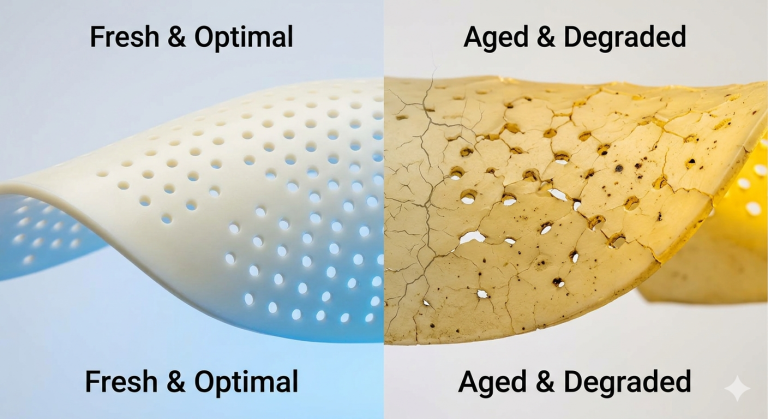
5. Mask Becomes Brittle or Weak Over Time
Some thermoplastic masks may lose flexibility or structural strength after repeated use or improper handling.
Possible Causes:
- Exposure to sunlight or humidity
- Repeated overheating cycles
- Aging materials
Solutions:
✔ Store masks away from direct sunlight
✔ Follow proper storage guidelines
✔ Avoid unnecessary reheating
✔ Use fresh, high-quality thermoplastic sheets
Good storage practices help maintain long-term product performance.
6. Compatibility Issues with Baseplates and Fixation Systems
Not all thermoplastic masks are compatible with every immobilization system.
Important Checks Before Purchasing:
- Locking mechanism compatibility
- Baseplate dimensions
- Regional fixation standards
- Mounting system design
Working with experienced manufacturers can help prevent compatibility problems during installation and clinical use.
Why Material Quality Matters
Many operational issues are directly related to inconsistent material quality.
When sourcing thermoplastic masks, buyers should prioritize suppliers offering:
- CE Certification
- ISO 13485 Certification
- Biocompatibility Testing
- Stable manufacturing quality
- OEM customization capability
High-quality materials improve clinical reliability and reduce operational issues.
Why More Buyers Choose Maidfirm Medical
Maidfirm Medical specializes in high-quality low-temperature thermoplastic sheets and radiotherapy immobilization masks for global medical markets.
Key Advantages:
✔ CE & ISO 13485 Certified
✔ Biocompatibility Tested
✔ Stable Softening Performance
✔ Excellent Rigidity After Cooling
✔ OEM & Private Label Support
✔ Competitive Factory Pricing
Maidfirm products are widely used in radiotherapy applications worldwide and designed to provide reliable immobilization performance.
Conclusion
Thermoplastic masks play a vital role in precision radiotherapy. While occasional issues may occur during clinical use, most problems can be resolved through proper handling, high-quality materials, and correct molding procedures.
By understanding these common troubleshooting methods, healthcare providers can improve treatment accuracy, patient comfort, and workflow efficiency.
For distributors, hospitals, and procurement teams, choosing a reliable supplier is essential for long-term clinical performance and operational stability.
Contact Maidfirm Medical
🌐 Website: www.splintmask.com/www.maidfirm.com
👉 Contact us today for:
- Free Samples
- OEM Cooperation
- Distributor Partnerships
- Product Quotations