Eco-Friendly Options for Radiotherapy Mask Production: The Green Future of Patient Immobilization
The global healthcare sector is facing a quiet crisis of sustainability. Across the world, hospitals generate millions of tons of medical waste annually, and radiation oncology departments are no exception.
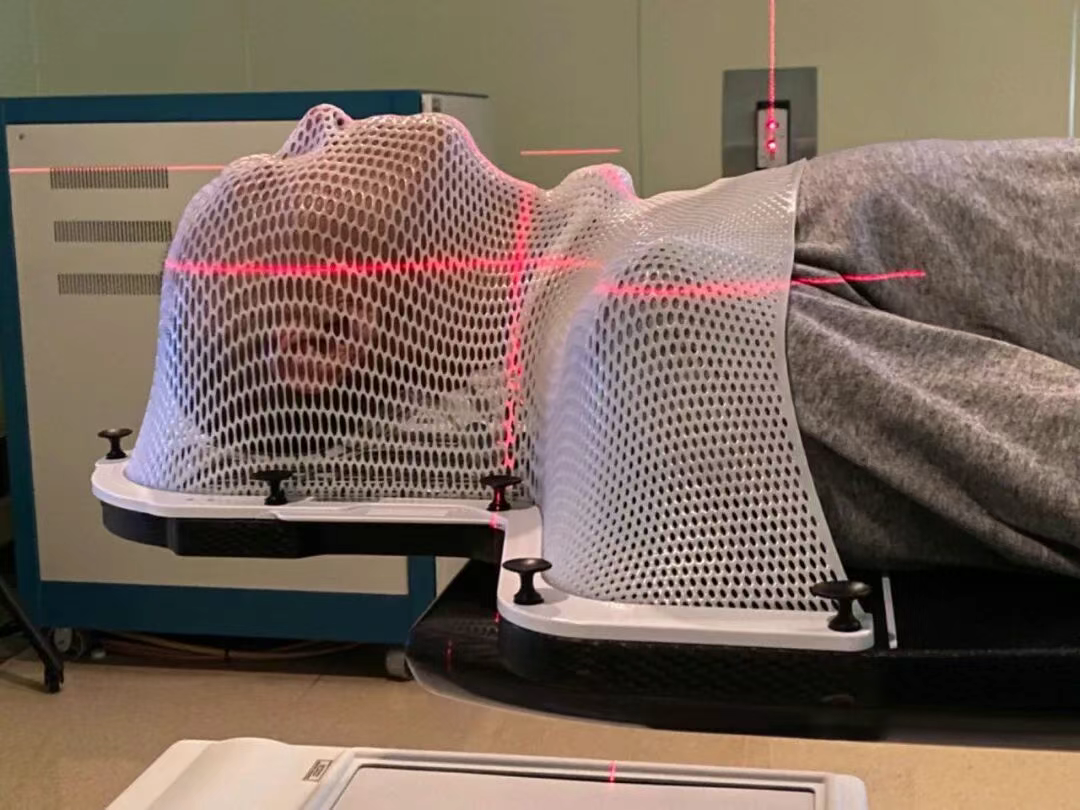
Every year, hundreds of thousands of low-temperature thermoplastic masks are molded to ensure millimeter-level precision during cancer treatments. However, because these masks are traditionally single-patient-use items made from petroleum-based plastics, they end up straight in medical incinerators or landfills after a treatment course ends.
As we move through 2026, the push for “Green Healthcare” is transforming oncology. Healthcare providers are actively seeking eco-friendly options for radiotherapy mask production that balance uncompromising clinical precision with environmental responsibility.
Here is how the industry is evolving and what sustainable options are available for forward-thinking clinics today.
The Problem with Traditional Thermoplastic Masks
Traditional radiotherapy masks are primarily made of Polycaprolactone (PCL) derivatives derived from fossil fuels. While PCL is an excellent material for low-temperature molding and rigid immobilization, standard medical-grade versions:
- Do not degrade easily in standard environments.
- Release carbon-heavy emissions when passed through hospital waste incinerators.
- Contribute significantly to the hospital’s overall carbon footprint.
Modern Eco-Friendly Alternatives in Radiotherapy Production
Fortunately, innovations in polymer science have opened up new, eco-conscious pathways for patient immobilization.
1. Bio-Based and Plant-Derived Polymers
Instead of relying entirely on petrochemicals, manufacturers are beginning to introduce bio-based plastics sourced from renewable resources like corn starch, sugarcane, or cellulose.
- The Clinical Benefit: These plant-derived thermoplastics mimic the exact melting point (65-70℃) and cooling times of traditional masks. They offer the same rigid tensile strength required to prevent patient setup errors (<2mm), meaning clinical safety is never compromised for sustainability.
2. Biodegradable and Compostable Formulations
Newer generations of thermoplastic sheets are engineered with molecular chains that break down much faster when exposed to specific industrial composting environments or microbes.
- Environmental Impact: Instead of persisting in a landfill for centuries, these biodegradable masks break down into non-toxic components , dramatically lowering the long-term ecological impact of a department’s waste stream.
3. Optimized Perforation and Material Reduction
Eco-friendly production isn’t just about what the mask is made of, but how much material is used. Advanced manufacturing uses precise, variable perforation patterns.
- Less is More: By strategically reducing the plastic density in non-critical structural areas (while keeping it solid around anchoring pins and anatomical landmarks), manufacturers can reduce total plastic volume by up to 20% to 30% per mask, automatically cutting down on source material and eventual waste weight.
Why Healthcare Providers Should Switch to Eco-Friendly Options
Making the shift to sustainable immobilization devices offers distinct advantages to modern medical institutions:
| Feature | Traditional Masks | Eco-Friendly Alternatives |
| Primary Material | Petroleum-based plastics | Bio-based/Plant-derived polymers |
| Carbon Footprint | High (fossil fuel reliance) | Significantly Lower |
| Incineration Safety | May release complex carbon emissions | Cleaner burn, minimal toxic residue |
| Hospital Compliance | Fulfills basic medical standards | Aligns with ESG and Green Procurement goals |
- Meeting Strict ESG Mandates: Many modern hospital groups and government tenders now include Environmental, Social, and Governance (ESG) criteria. Offering eco-friendly alternatives gives clinics a competitive edge and helps them meet strict green certifications.
- Boosting Patient Perception: Patients are increasingly eco-conscious. Knowing that their cancer care center utilizes sustainable, non-toxic, and green materials enhances patient satisfaction and reinforces the clinic’s reputation as a compassionate, forward-thinking institution.
Conclusion: The Green Horizon of Oncology
The future of radiotherapy production is one where precision oncology meets ecological harmony. Healthcare providers no longer have to choose between saving patient lives and protecting the planet. By integrating biodegradable, bio-based, or material-optimized thermoplastic masks into your daily workflow, your facility can lead the charge toward a zero-waste, eco-friendly medical future.