How to Choose the Right Thermoplastic Mask for Radiotherapy: A Practical Guide for Clinics and Distributors
Introduction
In modern radiotherapy, precision is everything. Even minimal patient movement can significantly impact treatment accuracy, especially in head, neck, and breast cancer cases. This is why high-quality thermoplastic masks for radiotherapy and low-temperature thermoplastic sheets have become essential in daily clinical workflows. Choosing the right thermoplastic mask for radiotherapy enhances treatment precision and patient care. A thermoplastic mask for radiotherapy is crucial for achieving consistent results.
For hospitals, cancer centers, and distributors, selecting the right supplier is not just about price — it is about consistency, usability, and clinical reliability.
In this guide, we will walk through the key factors to consider when choosing thermoplastic immobilization solutions, and how the right partner can improve both treatment outcomes and operational efficiency.
When considering a thermoplastic mask for radiotherapy, it’s essential to evaluate the material’s properties and the manufacturer’s reputation. The right thermoplastic mask for radiotherapy can make a significant difference in outcomes.
Why Thermoplastic Masks Matter in Radiotherapy
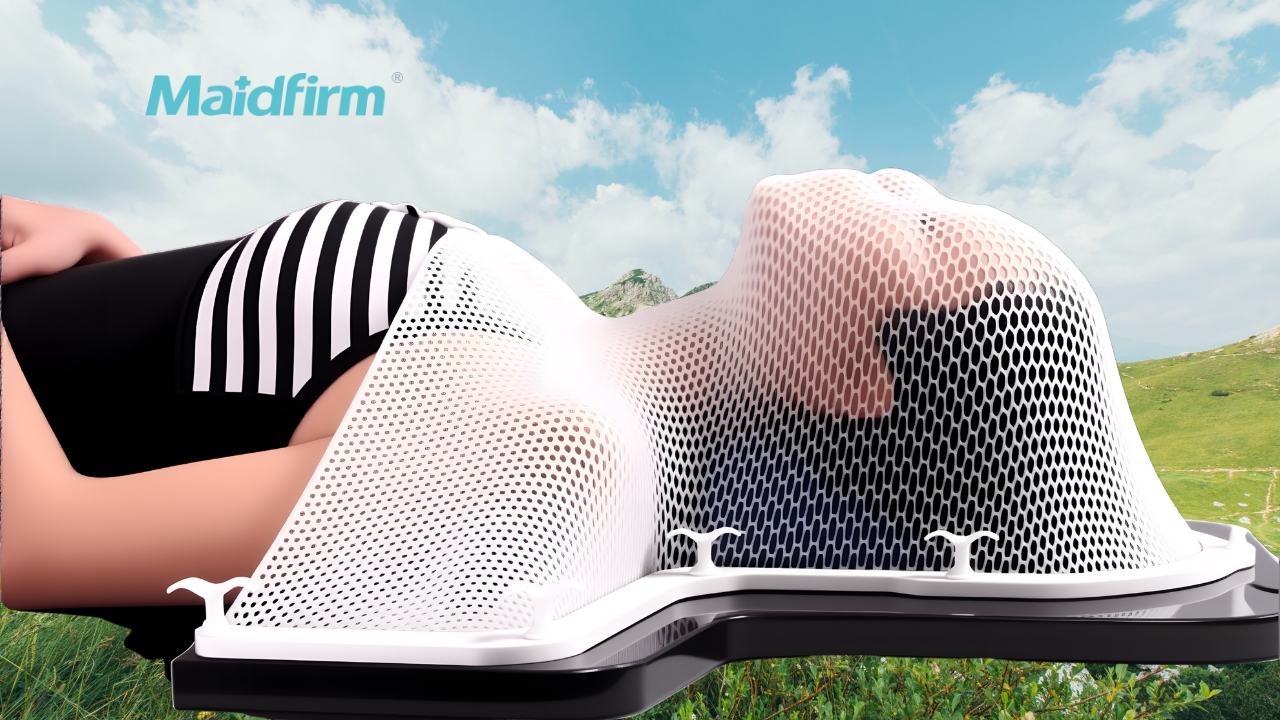
Using a thermoplastic mask for radiotherapy not only improves patient comfort but also contributes to the accuracy of the radiation delivery process.
For clinics, investing in a thermoplastic mask for radiotherapy represents a commitment to quality care and better patient experiences.
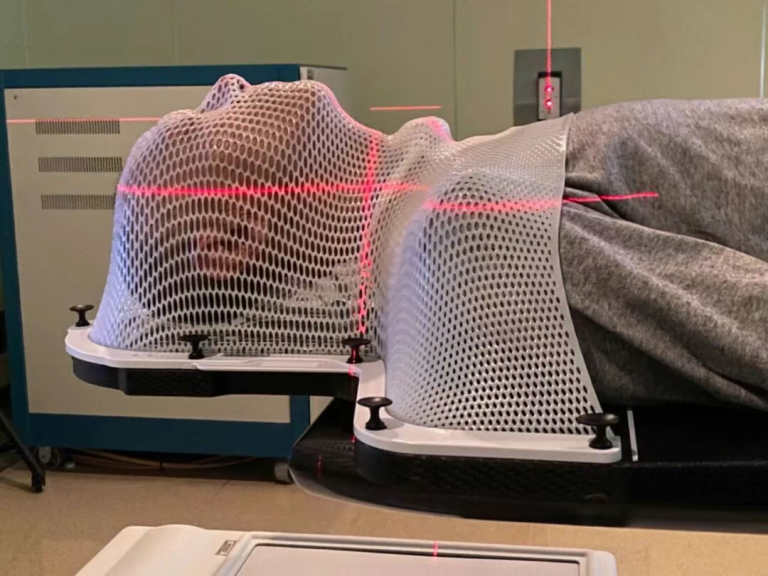
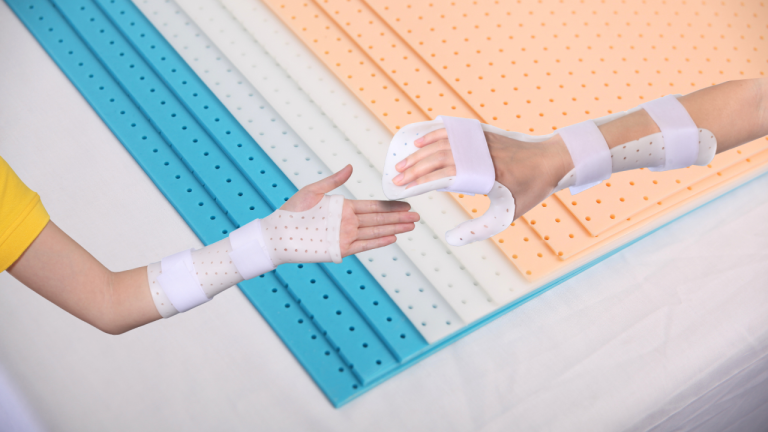
Thermoplastic masks are widely used for patient immobilization during radiation therapy. When heated, the material becomes soft and moldable, allowing clinicians to create a custom-fit mask for each patient.
Ultimately, using the right thermoplastic mask for radiotherapy can lead to better outcomes and enhanced patient comfort.
Once cooled, the mask hardens and ensures:
- Reproducible patient positioning
- Reduced setup errors
- Improved targeting accuracy
- Enhanced patient comfort
These benefits are critical for advanced treatments such as IMRT, VMAT, and stereotactic radiotherapy.
Ultimately, a reliable thermoplastic mask for radiotherapy is an investment in effective treatment methodologies.
Key Factors When Choosing a Thermoplastic Mask Supplier
Healthcare providers should prioritize selecting a thermoplastic mask for radiotherapy that meets their specific needs.
1. Material Quality and Stability
Not all thermoplastic materials are the same. High-quality sheets should offer:
- Uniform thickness
- Consistent softening temperature
- Strong yet flexible structure after cooling
Low-quality materials may lead to deformation, shrinkage, or poor fixation — all of which can compromise treatment accuracy.
2. Optimal Working Temperature
Low-temperature thermoplastic sheets should soften at around 65–70°C, ensuring:
- Safe handling for clinicians
- Comfortable experience for patients
- Efficient molding process
Choosing an appropriate thermoplastic mask for radiotherapy can enhance the overall treatment plan’s effectiveness.
A stable and predictable softening behavior is essential for busy radiotherapy departments.
3. Perforation Design and Breathability
A well-designed perforation pattern improves:
- Patient comfort during long sessions
- Airflow and heat dissipation
- Visibility for alignment
Clinics often prefer masks that balance rigidity with breathability.
4. Compatibility with Fixation Systems
Your thermoplastic masks must be compatible with widely used baseplates and fixation systems.
Key considerations include:
- Standard indexing systems
- Secure locking mechanisms
- Easy integration into existing workflows
This is especially important for distributors serving multiple hospitals.
5. Consistency in Mass Production
For distributors and procurement managers, consistency is critical.
Reliable manufacturers should provide:
- Stable batch quality
- Scalable production capacity
- Strict quality control processes
This ensures long-term trust and reduces clinical risks.
Why More Distributors Are Choosing OEM Manufacturers
In recent years, more distributors and regional suppliers are turning to OEM partnerships to stay competitive.
OEM manufacturing allows you to:
- Customize product specifications
- Build your own brand
- Improve profit margins
- Differentiate in local markets
For growing markets in Eastern Europe, Southeast Asia, and Latin America, this strategy is becoming increasingly popular.
What to Look for in a Manufacturing Partner
When selecting a supplier, consider:
- Experience in radiotherapy immobilization
- Export capability and certifications
- Responsive communication
- Flexible MOQ and customization options
A strong manufacturer is not just a supplier — but a long-term partner.
Conclusion
Choosing the right thermoplastic mask and low-temperature thermoplastic sheet is a critical decision for any radiotherapy provider or distributor.
By focusing on material quality, usability, and supplier reliability, you can ensure better clinical outcomes while optimizing operational efficiency.
If you are looking for a reliable manufacturing partner with strong quality control, competitive pricing, and OEM capability, working directly with an experienced producer can be a strategic advantage.
Looking for a Trusted Supplier?
If you are a distributor, hospital, or procurement manager looking for high-quality thermoplastic masks and radiotherapy immobilization solutions, feel free to explore our product range or contact us for OEM cooperation.
We are committed to delivering consistent quality, competitive pricing, and long-term partnership support.
Investing in a quality thermoplastic mask for radiotherapy can lead to improved patient outcomes and satisfaction.
Contact us today to learn more about our thermoplastic mask for radiotherapy and how we can help you achieve better treatment results.