Basic Introduction & Common Considerations on Processing Softening Temperature of Low-Temperature Thermoplastic Sheets
Basic Introduction to Softening Temperature of Low-Temperature Thermoplastic Sheets
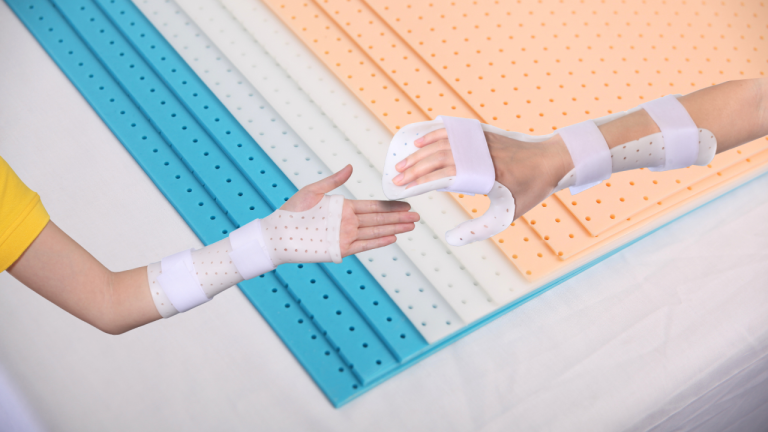
Low-temperature thermoplastic sheet is a new polymer material based on high-molecular polyester processed via physical and chemical treatments. It remains stable under dry room temperature (10℃–30℃). When heated to 65℃–70℃, the material softens and becomes moldable, and it generally takes 1–3 minutes to achieve full softening.
After removing from the heat source at room temperature (approx. 20℃–25℃), the material re-hardens and sets within 3–5 minutes. This temperature window enables safe and convenient operations for clinical orthotics, rehabilitation immobilization, radiotherapy positioning and other applications.
II. Main Factors Affecting Softening Temperature
Water Temperature Control
During heating, the water bath temperature should be maintained between 65℃–70℃. Insufficient temperature leads to incomplete softening and poor molding effect; excessive temperature may cause over-softening, deformation or even bubble formation on the material.
Heating Time
Sheets of different thicknesses require slightly different heating durations. Generally, 1–3 minutes are sufficient for the material to reach a moldable state. Adjust appropriately according to sheet thickness and ambient temperature. If the sheet softens unevenly after heating, continue heating until uniform softening is achieved.
Ambient Temperature
Room temperature during operation affects the cooling and hardening speed. Hardening time may shorten in cold winter environments, requiring faster molding movements; higher room temperature in summer tends to extend the hardening period.
Sheet Thickness & Material Formulation
Low-temperature thermoplastic sheets from different manufacturers and models adopt different formulations, resulting in minor differences in softening temperature and operable time window. Refer to product specifications or confirm recommended heating parameters with your supplier before use.
III. Common Concerns & Precautions
Preheating & Temperature Uniformity
Fully immerse the sheet in constant-temperature water and flip it occasionally during heating to guarantee even heating and avoid partial over-softening or insufficient softening.
Timing for Molding Operation
Start molding immediately once the sheet turns pliable. The material gradually regains hardness as temperature drops, offering an operable window of roughly 3–5 minutes. If the sheet cools and hardens halfway through molding, re-submerge it in 65℃–70℃ water for short reheating to restore plasticity.
Avoid Over-Heating
Water temperature exceeding 75℃ or prolonged heating may damage the internal microporous structure, impairing mechanical performance and shaping stability.
Storage & Reusability
maidfirm low-temperature thermoplastic sheets can be stored long-term at ambient temperature without heating. Shaped products can be adjusted by reheating and softening again, yet repeated heating cycles may reduce material toughness.
Safety for Skin Contact
The material will not cause burns when operated within the designated temperature range. However, test the surface temperature manually before direct skin contact. For patients with sensitive skin, place a thin cotton cloth between the sheet and skin during molding.
IV. How to Select Appropriate Softening Temperature Parameters
When purchasing or using low-temperature thermoplastic sheets, pay attention to the following points:
- Request the technical datasheet from the supplier to confirm the recommended softening temperature range and heating duration.
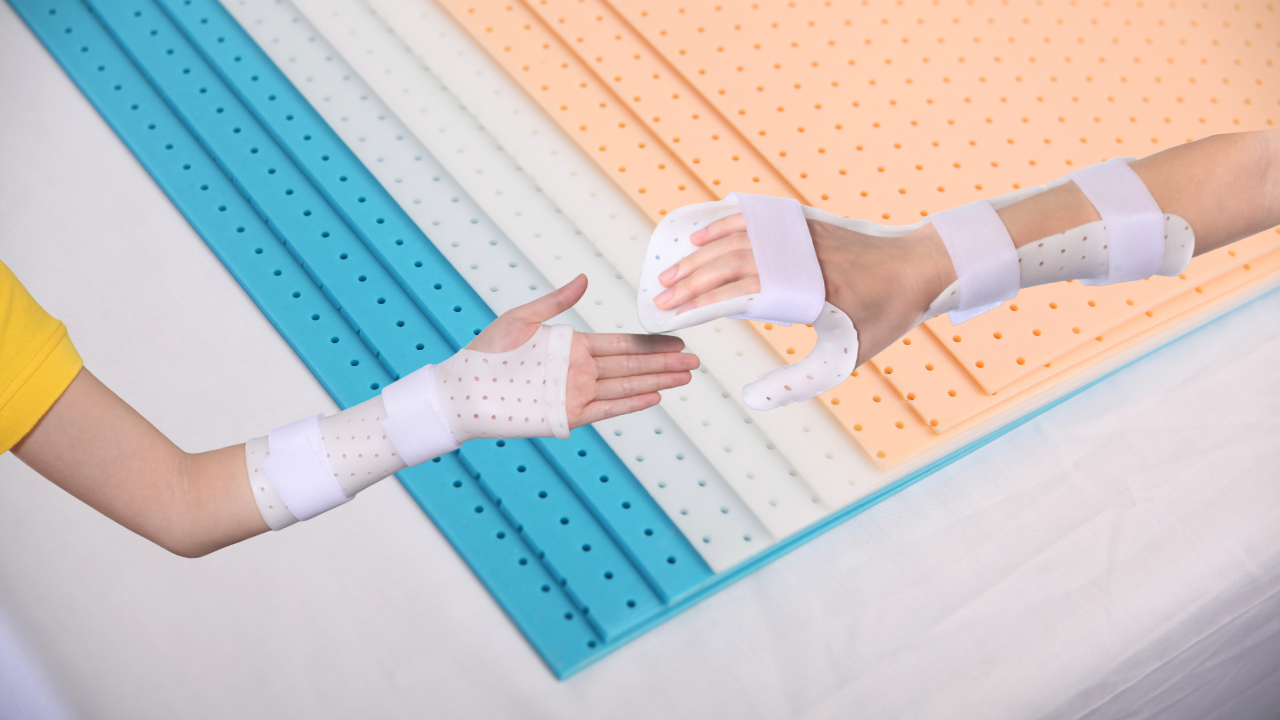
- Select suitable thickness (2.0mm, 3.2mm, 4.0mm, etc.) based on clinical requirements; thicker sheets demand appropriately extended heating time.
- Ask for sample sheets for practical testing to verify softening performance at 65℃–70℃ matches your operation habits.
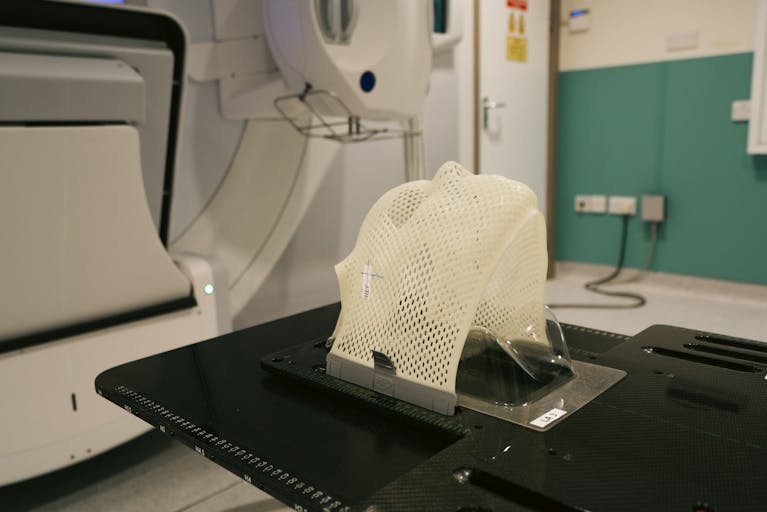
- For scenarios requiring high shape accuracy such as radiotherapy immobilization sheets, choose products with a narrow softening temperature range and stable shape memory.
V. Summary
The processing softening temperature (65℃–70℃) is one of the core performance parameters of low-temperature thermoplastic sheets, directly impacting operation convenience and finished product quality. Proper control of water temperature, heating time and operating environment can maximize material advantages and improve orthotic and immobilization outcomes.
In practical applications, operators are advised to gradually optimize heating and molding workflows based on specific maidfirm product models and accumulated practical experience.