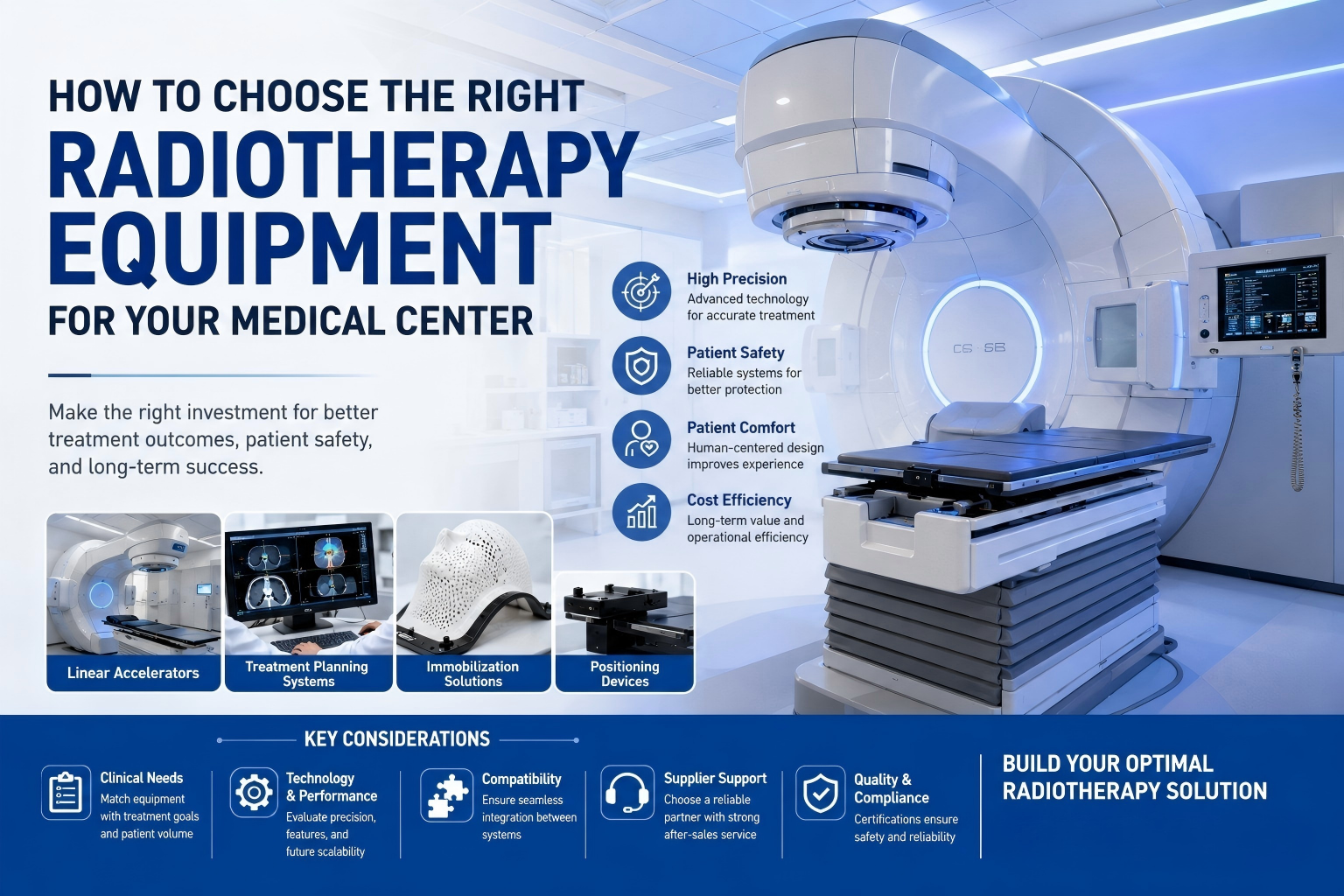
How to Choose the Right Radiotherapy Equipment for Your Medical Center
Introduction
Radiotherapy is one of the most important treatment methods in modern oncology. As cancer cases continue to rise globally, medical centers are investing heavily in advanced radiotherapy technologies to improve treatment accuracy, patient safety, and clinical efficiency.
Choosing the right radiotherapy equipment is a critical decision that affects not only treatment outcomes, but also operational workflow, long-term costs, and patient experience. From linear accelerators to immobilization systems, every component plays a vital role in delivering effective radiation therapy.
This guide outlines the key factors medical centers should consider when selecting radiotherapy equipment.
1. Understand Your Clinical Needs
Before purchasing any radiotherapy system, it is essential to evaluate your center’s clinical requirements.
Key Questions to Consider:
- What types of cancers will be treated most frequently?
- What is the expected patient volume?
- Will the center focus on basic radiotherapy or advanced techniques?
- Is expansion planned in the future?
For example:
- Small clinics may prioritize cost-effective and reliable systems
- Large oncology centers may require advanced technologies such as IMRT, IGRT, or proton therapy
Understanding your treatment goals helps narrow down the most suitable equipment options.
2. Evaluate Technology and Treatment Precision
Modern radiotherapy relies heavily on precision.
Advanced technologies such as:
- IMRT (Intensity-Modulated Radiotherapy)
- IGRT (Image-Guided Radiotherapy)
- VMAT (Volumetric Modulated Arc Therapy)
- SRS/SBRT (Stereotactic Radiosurgery / Body Radiotherapy)
can significantly improve treatment accuracy while reducing damage to healthy tissue.
Important Considerations:
- Imaging quality
- Treatment planning software
- Motion management capabilities
- Dose delivery accuracy
Choosing systems with proven clinical performance is essential for delivering safe and effective patient care.
3. Do Not Overlook Immobilization Systems
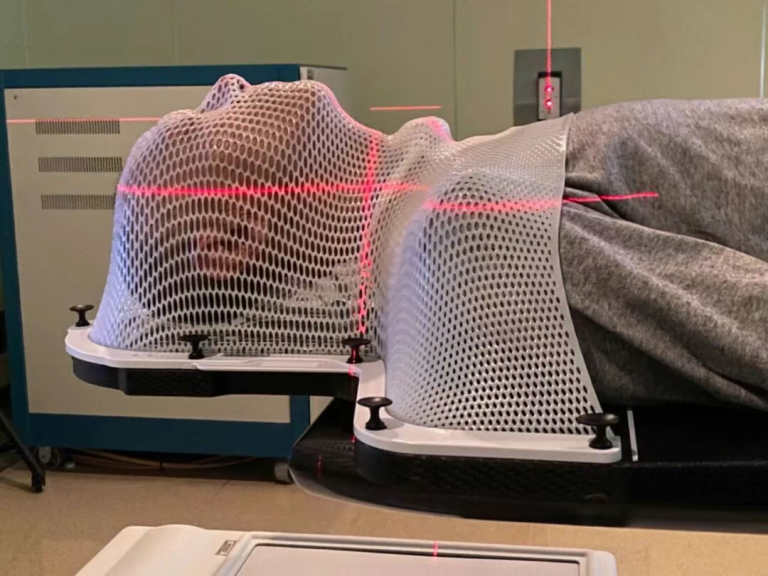
Even the most advanced radiotherapy machine cannot perform accurately without proper patient immobilization.
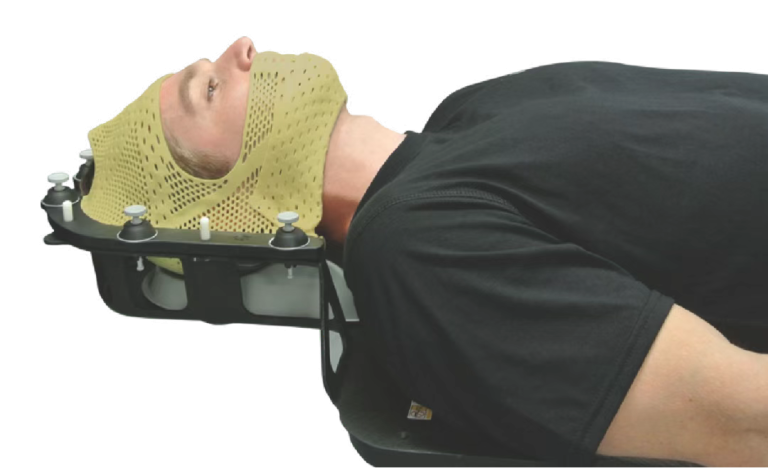
Immobilization products such as:
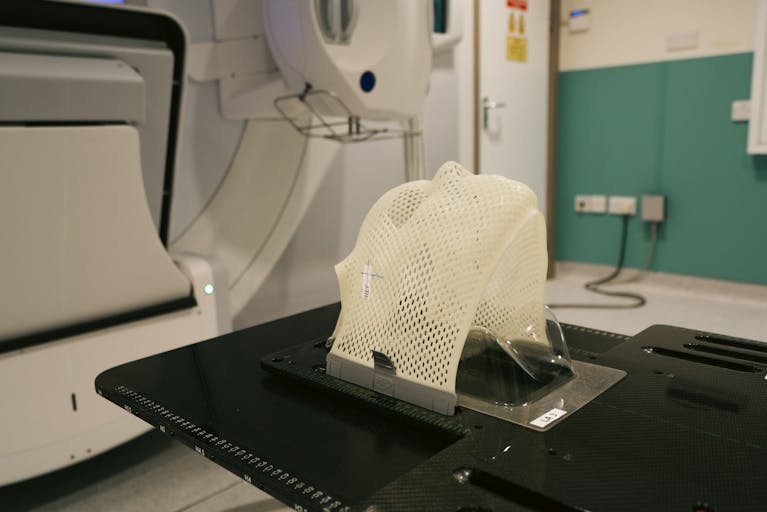
- Thermoplastic masks
- Vacuum cushions
- Positioning devices
- Baseplates
help ensure reproducible patient positioning during every treatment session.
Why This Matters:
- Reduces setup errors
- Improves treatment precision
- Enhances patient safety
- Increases workflow efficiency
High-quality low-temperature thermoplastic masks are especially important in head and neck radiotherapy applications.
4. Consider Equipment Compatibility
Radiotherapy equipment often involves multiple integrated systems from different manufacturers.
Before purchasing, ensure compatibility between:
- Linear accelerators
- Treatment planning systems
- Imaging devices
- Immobilization accessories
- Positioning systems
Compatibility issues can lead to workflow inefficiencies, installation delays, and increased operational costs.
5. Evaluate Supplier Reliability and Support
Selecting the right supplier is just as important as selecting the equipment itself.
Look for Suppliers That Offer:
- International certifications (CE, ISO 13485)
- Installation and training support
- Technical service and maintenance
- Stable spare parts supply
- Global export experience
Reliable after-sales support ensures long-term operational stability for your medical center.
6. Focus on Patient Comfort and Experience
Modern healthcare increasingly emphasizes patient-centered care.
Radiotherapy equipment should not only deliver precision but also improve patient comfort.
Important Features Include:
- Comfortable immobilization materials
- Faster setup procedures
- Breathable thermoplastic mask designs
- Reduced treatment time
A positive patient experience can improve cooperation during treatment and reduce patient anxiety.
7. Analyze Long-Term Cost Efficiency
Purchasing radiotherapy equipment is a long-term investment.
Medical centers should evaluate:
- Initial purchase cost
- Maintenance expenses
- Consumable replacement costs
- Energy consumption
- Equipment lifespan
In many cases, cost-effective accessories and consumables can significantly reduce operational expenses over time.
8. Regulatory Compliance and Quality Standards
Medical equipment must comply with local and international regulations.
Always verify:
- CE certification
- ISO 13485 compliance
- Biocompatibility standards
- Local registration requirements
Certified products help ensure patient safety and simplify procurement approval processes.
9. Plan for Future Growth
The radiotherapy industry continues to evolve rapidly.
When investing in equipment, consider:
- Scalability
- Software upgrade potential
- AI integration capabilities
- Future treatment expansion
Choosing flexible systems can help your medical center remain competitive for years to come.
Conclusion
Choosing the right radiotherapy equipment requires balancing technology, clinical performance, patient comfort, supplier reliability, and long-term cost efficiency.
Beyond large treatment systems, supporting products such as immobilization devices and thermoplastic masks are equally important for achieving precise and reproducible radiotherapy outcomes.
By carefully evaluating both equipment and supplier capabilities, medical centers can build a radiotherapy environment that improves patient care while maintaining operational efficiency.
Looking for Reliable Radiotherapy Immobilization Solutions?
We provide high-quality low-temperature thermoplastic masks and medical immobilization products designed for modern radiotherapy applications.
✔ CE & ISO 13485 Certified
✔ Biocompatibility Tested
✔ OEM & Custom Options
✔ Stable Quality & Competitive Pricing
👉 Contact us today for a free sample or quotation.