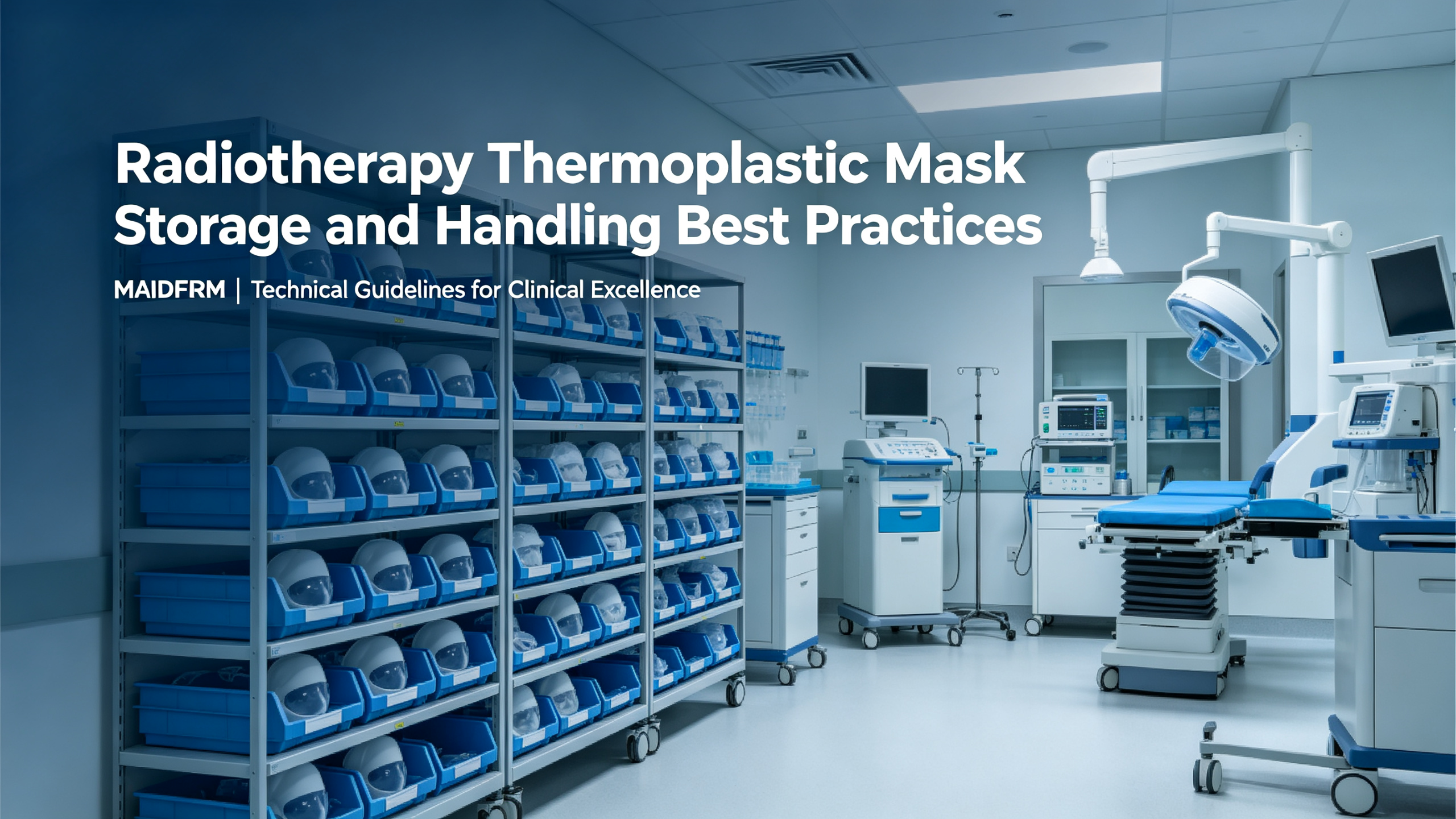
Radiotherapy Thermoplastic Mask Storage and Handling Best Practices: A Complete Guide for Radiation Oncology Departments
Abstract
Proper storage and handling directly extend the shelf life and performance of thermoplastic immobilization products. This operational guide provides hospitals and radiation oncology departments with practical protocols for maintaining thermoplastic mask quality, including recommended storage temperatures (15–25°C), humidity control (<60% RH), shelf life management, and standardized heating procedures.
Based on field experience from MAIDFIRM’s technical support team, this guide explains how proper material management can reduce waste, improve workflow efficiency, and ensure consistent immobilization performance for every patient.
1. Introduction: Why Proper Storage and Handling Matter
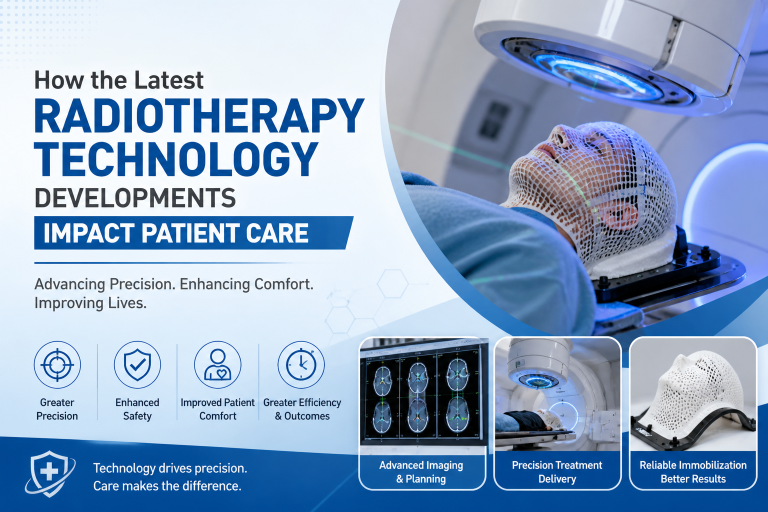
In modern radiation therapy, thermoplastic immobilization masks play a critical role in achieving accurate and reproducible patient positioning.
These medical-grade materials are engineered to provide:
- Precise anatomical conformity
- Stable immobilization after cooling
- Repeatable positioning during multiple treatment sessions
- Patient comfort during molding and treatment
However, even high-quality thermoplastic sheets can experience performance changes if they are improperly stored, handled, or heated.
Material degradation may result in:
- Reduced flexibility during molding
- Uneven softening behavior
- Increased shrinkage after cooling
- Reduced fixation stability
- Higher material waste
For hospitals and radiotherapy centers, proper storage and handling procedures are not only quality control measures—they are essential parts of maintaining treatment accuracy and operational efficiency.
2. Understanding Thermoplastic Material Sensitivity
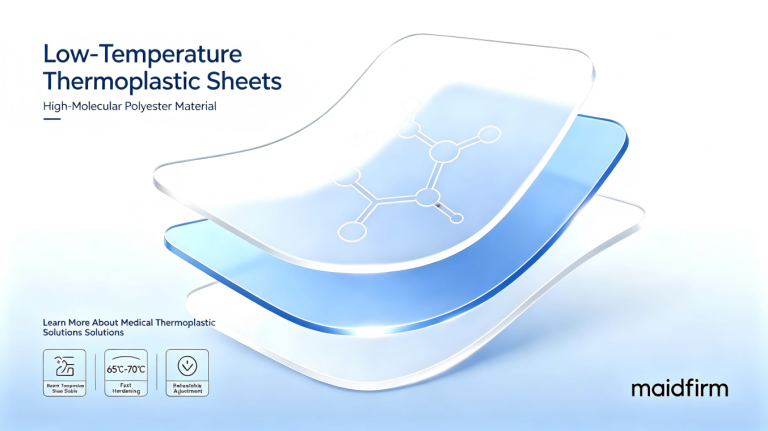
Low-temperature thermoplastic sheets are engineered polymers that respond to controlled heat.
Their performance depends on maintaining the balance between:
- Polymer structure
- Moisture content
- Temperature exposure
- Mechanical handling
Environmental conditions can influence these properties over time.
Common factors affecting thermoplastic performance include:
Temperature Exposure
Excessive heat may cause premature aging or deformation.
Humidity Variation
High humidity can affect surface properties and material consistency.
Mechanical Stress
Improper stacking or bending may create permanent deformation before use.
Therefore, proper storage conditions are essential for maintaining product reliability.
3. Recommended Storage Conditions for Thermoplastic Masks
3.1 Temperature Control: 15–25°C
The recommended storage temperature range for thermoplastic immobilization products is:
15°C–25°C
Maintaining a stable temperature environment helps preserve:
- Material flexibility
- Dimensional stability
- Surface quality
- Long-term shelf life
Avoid:
❌ Direct sunlight exposure
❌ Storage near heating equipment
❌ High-temperature warehouses
❌ Repeated temperature fluctuations
Extreme temperature conditions may alter polymer characteristics and affect molding performance.
3.2 Humidity Management: Below 60% RH
Humidity control is another important factor.
Recommended condition:
Relative humidity: <60% RH
Excessive moisture exposure may influence:
- Material surface characteristics
- Packaging integrity
- Long-term storage stability
Hospitals should avoid storing thermoplastic sheets in:
- Wet storage rooms
- Areas near water sources
- Poorly ventilated spaces
A clean, dry storage environment helps maintain consistent product quality.
4. Shelf Life Management and Inventory Control
Effective inventory management helps reduce unnecessary waste and ensures reliable product performance.
Best Practices:
1. Follow FIFO Management
Use:
First In – First Out (FIFO)
This ensures older inventory is consumed before newer shipments.
2. Maintain Original Packaging
Keep thermoplastic sheets:
- Sealed before use
- Protected from dust contamination
- Stored flat whenever possible
Original packaging helps protect the material from environmental exposure.
3. Regular Inventory Inspection
Radiotherapy departments should periodically check:
- Packaging condition
- Product appearance
- Expiration information
- Surface integrity
Any products showing abnormal deformation or damage should be evaluated before clinical use.
5. Standardized Heating Procedures
Proper heating is essential for achieving optimal molding performance.
Recommended Heating Temperature:
65°C–70°C
This temperature range provides the ideal balance between:
- Material softness
- Stretchability
- Patient comfort
- Molding accuracy
Heating Best Practices
1. Ensure Uniform Heating
The entire thermoplastic sheet should be fully immersed in water.
Uneven heating may cause:
- Hard areas during molding
- Poor anatomical fitting
- Increased remolding requirements
2. Avoid Overheating
Excessive temperatures may negatively affect:
- Polymer structure
- Surface quality
- Dimensional stability
Always use a calibrated temperature-controlled water bath.
3. Maintain Clean Heating Equipment
Regular maintenance of heating equipment helps prevent:
- Material contamination
- Uneven temperature distribution
- Clinical workflow interruptions
6. Handling During Clinical Application
Correct handling during molding directly affects final mask performance.
Recommended Practices:
Maintain Clean Hands and Tools
Avoid contamination from:
- Oils
- Chemicals
- Dust particles
Avoid Excessive Stretching
Although thermoplastic sheets have excellent elasticity, excessive force may affect:
- Final thickness consistency
- Shape stability
- Immobilization performance
Allow Complete Cooling Before Removal
The mask should fully harden before removing it from the patient.
Premature removal may cause:
- Shape distortion
- Reduced fixation accuracy
- Poor reproducibility
7. Common Storage and Handling Mistakes
Mistake 1: Storing Near Heat Sources
Problem:
Long-term heat exposure may accelerate material aging.
Solution:
Store in controlled indoor environments.
Mistake 2: Folding or Compressing Sheets
Problem:
Permanent deformation may occur.
Solution:
Store sheets flat whenever possible.
Mistake 3: Repeated Heating Cycles
Problem:
Repeated heating may affect material performance.
Solution:
Use standardized molding procedures and avoid unnecessary reheating.
Mistake 4: Ignoring Environmental Conditions
Problem:
Humidity and temperature changes may reduce consistency.
Solution:
Monitor storage conditions regularly.
8. How Proper Handling Reduces Operational Costs
For busy radiation oncology departments, material efficiency directly impacts operational costs.
Proper storage and handling can help:
- Reduce rejected masks
- Minimize remolding procedures
- Improve first-time molding success
- Extend product usability
Based on practical experience from MAIDFIRM’s technical support team, standardized handling procedures can help departments reduce thermoplastic material waste by up to 30%.
9. MAIDFIRM Technical Support for Reliable Radiotherapy Solutions
At MAIDFIRM, we understand that product performance depends not only on material engineering but also on proper clinical application.
Our technical team supports global customers with:
✔ Storage recommendations
✔ Heating procedure guidance
✔ Product selection advice
✔ Clinical workflow optimization
✔ Distributor technical training
MAIDFIRM thermoplastic solutions are designed with:
- Medical-grade polymer technology
- Stable molding performance
- Low shrinkage characteristics
- CE certification
- ISO 13485 quality management system
- Biocompatibility testing
10. Conclusion
Radiotherapy thermoplastic masks are precision medical products that require proper storage, handling, and preparation to achieve optimal performance.
Maintaining recommended environmental conditions:
- Temperature: 15–25°C
- Humidity: <60% RH
- Standardized heating: 65–70°C
helps preserve material quality, improve workflow efficiency, and ensure consistent patient immobilization.
For radiation oncology departments and medical distributors, choosing a reliable manufacturer is only the first step. Proper product management throughout the entire lifecycle is equally important.
With advanced material technology and professional technical support, MAIDFIRM helps healthcare providers achieve safer, more accurate, and more efficient radiotherapy immobilization.
Contact MAIDFIRM
🌐 Website: www.splintmask.com
For professional support:
- Free samples
- Technical consultation
- OEM cooperation
- Distributor partnerships
- Product quotations