Cost‑Efficiency Dialogue: ROI Analysis of Adopting Low‑Temperature Thermoplastic Bracing Fabrication in Clinics
In the daily operation of private clinics, community rehabilitation centers, and orthopedic specialty clinics, the introduction of any new technology must undergo rigorous scrutiny of Cost and Efficiency.
Traditional orthopedic external fixation (e.g., plaster and bandages) features very low raw‑material costs, yet it comes with lengthy operating time, high revision rates during follow‑up visits, and relatively low patient billing value. By contrast, what is the actual Return on Investment (ROI) when adopting in‑house low‑temperature thermoplastic bracing fabrication? The finance and market analysis team at maidfirm walks through a detailed financial breakdown.
I. Initial Capital Investment (Fixed‑Asset Expenditure)
The barrier to adopting this technology is far lower than many expect. Core fixed‑asset items required for clinics include:
Core Equipment: One medical constant‑temperature water bath tank with digital temperature control (65°C‑70°C).
Auxiliary Tools: One industrial heat gun, dedicated shears (large / small), and soft measuring tape.
Estimated Total Investment: Equipment for one single bracing workstation generally amounts to several thousand RMB.
maidfirm Tip: Equipment qualifies for fixed‑asset depreciation. Calculated over a 5‑year depreciation cycle, the monthly allocated fixed cost becomes nearly negligible.
II. Variable Costs vs. Patient Billing Value (Per‑Treatment Financial Comparison)
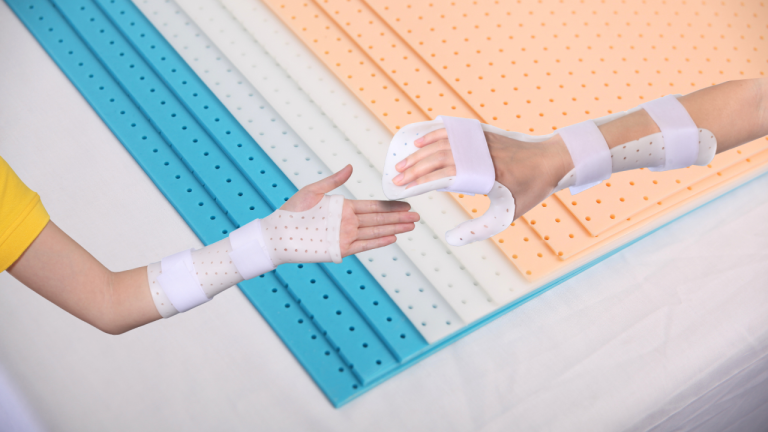
We use the high‑frequency forearm‑elbow external‑fixation brace as an example for side‑by‑side comparison:
表格
| Financial Metrics | Conventional Medical Plaster Fixation | Custom‑Fabricated Thermoplastic Brace by maidfirm |
|---|---|---|
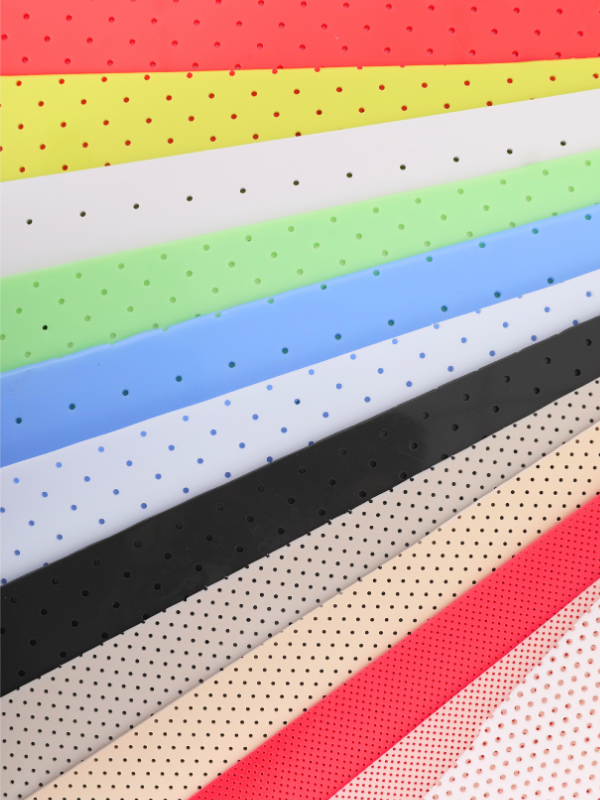
| Raw‑material cost | Low (plaster bandages, padding, etc.) | Moderate (based on maidfirm 3.2 mm standard sheets) |
| Operating time (including hardening) | 30‑45 minutes (waiting for full drying) | 10‑15 minutes (sets upon cooling) |
| Healthcare labor cost | High (normally requires two‑person teamwork: physician plus nurse) | Low (one staff member can complete the whole workflow independently) |
| Outpatient billing rate | Relatively low | Higher (premium for custom fitting and improved comfort) |
| Revision rate in follow‑up consultations | High (plaster loosens as swelling subsides and often needs full replacement) | Extremely low; original sheet allows readjustment via reheating |
III. Efficiency Revolution: Achieving Strong ROI Through Time‑Saving Gains
The core driver of clinic profitability hinges on patient throughput per unit of time. Thermoplastic bracing improves clinic performance across three key dimensions:
1. Faster Patient Turnover Rate
Patients must hold still while conventional plaster cures and dries. Low‑temperature thermoplastic sheets fully harden within 3‑5 minutes after shaping. Clinicians can attach hook‑and‑loop fasteners immediately, and patients may leave the clinic right away. This frees up valuable examination space and treatment beds.
2. Reduced Hidden Costs from Complimentary Revisits
Days 3‑7 post‑orthopedic fixation mark the limb swelling phase. Loosened plaster cannot be adjusted and must be broken and remade, forcing clinics to absorb extra labor and material expenses.
Thermoplastic Advantage: Leveraging the material’s shape‑memory property, clinicians perform tightening or fine adjustments directly on the existing brace by localized heating with a heat gun or re‑immersing it in warm water. Zero additional material expenditure directly preserves profit margins.
3. Differentiated Competition & Higher Patient Willingness to Pay Out‑of‑Pocket
Modern patients are willing to pay for better quality of life. Thermoplastic braces are lightweight, breathable, and removable for bathing, making them an excellent premium self‑pay treatment option. Higher patient satisfaction generates strong referral rates via word‑of‑mouth marketing.
IV. On‑Site Clinic Implementation: Estimated Payback Period
Based on field research conducted by maidfirm across hundreds of private clinics in central and coastal regions of China:
Baseline Assumption: The clinic fabricates 1‑2 small‑to‑medium hand‑foot thermoplastic braces per day on average.
Payback Period: After deducting sheet variable costs and clinician commissions, the full upfront investment for the water bath and tools is typically recovered within 1‑2 months post‑implementation.
Long‑term benefit: Starting from month 3, this service becomes a stable cash‑flow generator for the clinic, lifting the average billing value of orthopedics and rehabilitation departments substantially.
V. Conclusion: Growing Pains or Upscaling Dividends?
For clinic administrators, adopting low‑temperature thermoplastic technology appears to raise consumable procurement budgets at first glance. Nevertheless, viewed holistically from healthcare working hours, clinic turnover, and repeat complaint rates, it delivers genuine cost reduction and efficiency improvement.
maidfirm not only supplies highly forgiving, cost‑effective thermoplastic materials but also delivers comprehensive hands‑on clinical fabrication training support. This enables primary‑care medical institutions to quickly overcome technical barriers and capture compliant, high‑growth opportunities for department development.